Updated October 23, 2026
Buying your first home in Winston-Salem is exciting, but it also comes with questions. How much should you save? When should you talk to a lender? What happens after your offer is accepted? And what exactly is North Carolina’s due diligence period?
The best place to start is with a realistic budget, a mortgage preapproval, and a clear understanding of the homebuying process. From there, you can compare neighborhoods, tour properties, make informed offers, and prepare for closing.
At The Ginther Group, we help first-time buyers navigate these decisions one step at a time. Whether you’re just starting to save, or you’re ready to schedule showings, this guide will help you understand what comes next.
1. Start With a First-Time Homebuyer Consultation

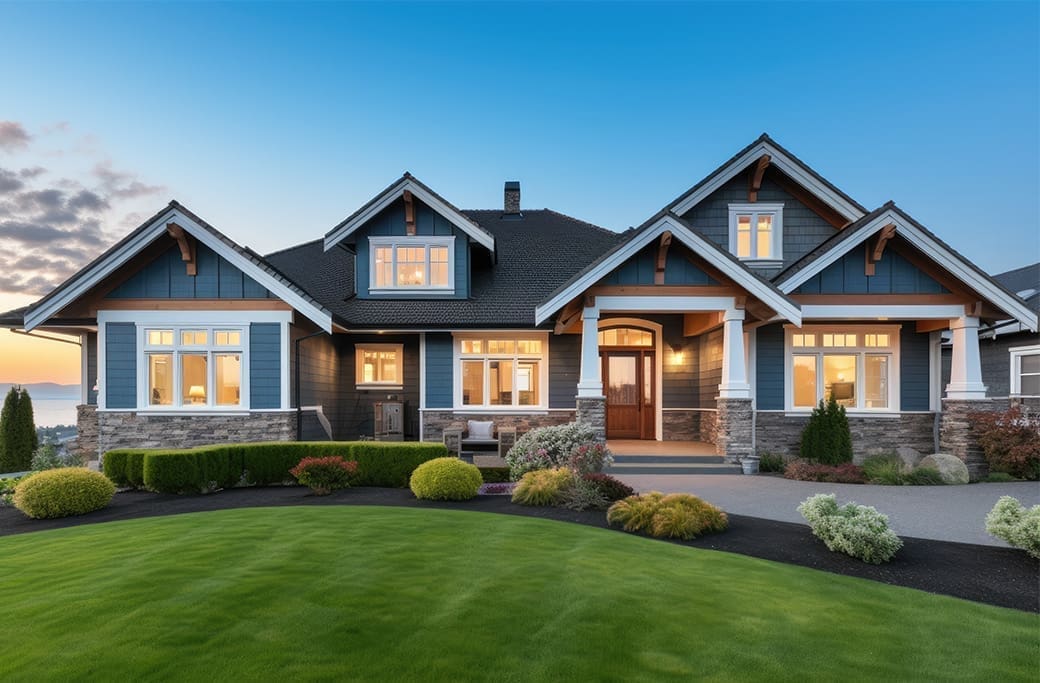
Your first home starts with a plan. Our team helps Winston-Salem buyers understand their options and prepare for each step.
You don’t need to know everything about buying a house before speaking with a real estate agent. In fact, an initial conversation can help you figure out which questions to ask.
During our buyer consultation, we discuss your goals and help you prioritize four important considerations:
-
- Price: What purchase price and monthly payment feel comfortable?
- Location: Which areas fit your commute and everyday needs?
- Size: How much space do you need now and in the coming years?
- Condition: Are you comfortable with a home that needs work, or would you prefer something move-in ready?
These priorities help us develop a search strategy that fits your situation. If you want to understand the entire purchase journey before getting started, explore our Complete Guide to Buying a Home in Winston-Salem.
2. Get Preapproved Before You Start House Hunting
A mortgage preapproval is one of the most useful early steps for a first-time buyer. A lender reviews information about your income, debts, assets, and credit to estimate how much you may qualify to borrow. Preapproval is not a final loan commitment, but it helps establish a realistic starting point. It can also make the home search more efficient. Instead of falling in love with a property that stretches your finances, you can focus on homes that fit your borrowing qualifications and personal budget.
How Much Money Do You Need to Buy Your First Home?
Your savings goal depends on the type of mortgage, the purchase price, lender requirements, and the property itself. Plan for more than the down payment. You may also need funds for:
-
-
- Earnest money and any due diligence fee included in your offer
- Home inspections and other evaluations
- Appraisal and lender-related charges
- Closing costs and prepaid expenses
- Initial escrow funding, when applicable
- Moving expenses and early home maintenance
-
You do not necessarily need a 20% down payment to buy a home. Some mortgage programs allow smaller down payments for qualified borrowers, although eligibility, mortgage insurance, and other costs vary. A lender can help you compare available loan options and determine what makes sense for your finances. You can also explore The Ginther Group’s First Time Home Buyer Program to learn more about our personalized guidance for new buyers.
3. Build a Budget Around the Monthly Payment, Not Just the Purchase Price
One of the most common first-time buyer mistakes is treating the maximum preapproved loan amount as a spending target.
The better question is: What monthly housing expense allows you to enjoy your home while still meeting your other financial goals?
Your ongoing costs may include principal and interest, property taxes, homeowners insurance, mortgage insurance when applicable, and HOA dues if the property has them. You should also leave room for utilities, maintenance, unexpected repairs, and savings. For example, two homes with similar asking prices may have different total ownership costs because of taxes, insurance, HOA fees, or maintenance needs.
4. Choose a Winston-Salem Location That Fits Your Life
Winston-Salem offers a wide range of housing styles and settings, from historic neighborhoods to newer subdivisions and properties outside the city center. The right location depends on your preferences, not simply which neighborhood appears on a popular list.
Think about:
-
- Your commute and regular travel routes
- Proximity to shopping, parks, and everyday services
- Whether you prefer an older home or newer construction
- Yard size and property maintenance
- Traffic, parking, and potential road noise
- HOA rules or neighborhood restrictions
- Your long-term plans for the property
You might be drawn to the older homes and established streets of Ardmore, the historic character of West End, or a different part of Winston-Salem that better matches your budget and needs. When comparing areas, visit at different times of day if possible. A location that feels quiet on a Sunday afternoon may have a different traffic pattern during the weekday commute. If schools matter to your decision, verify current attendance assignments directly with the appropriate school district rather than assuming an address is assigned to a particular school.
5. Tour Homes With More Than a Wish List

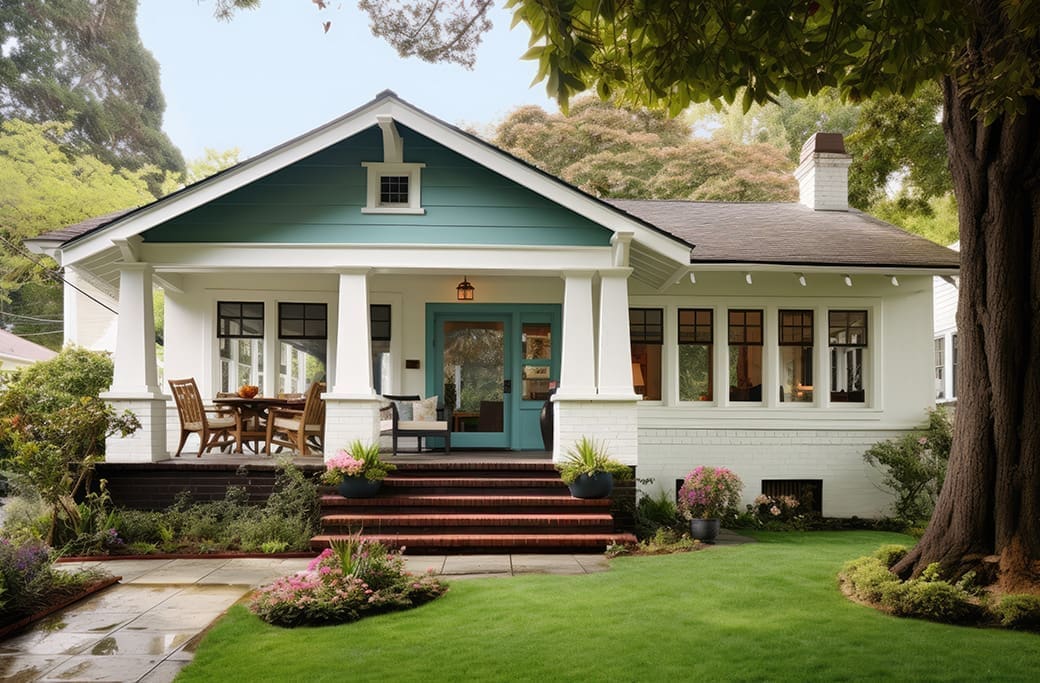
Comparing neighborhoods, commute routes, and home styles can help first-time buyers narrow their Winston-Salem search.
Once you’re preapproved and have identified your priorities, the home search becomes more focused. It’s easy to notice fresh paint, attractive countertops, and beautifully staged rooms. A first-time buyer should also pay attention to features that are harder or more expensive to change. As you tour properties, consider the roof’s apparent condition, heating and cooling systems, windows, signs of moisture, drainage, foundation concerns, and the general upkeep of the property. You don’t need to diagnose these issues yourself. Your goal during a showing is to notice questions worth investigating.
What Should You Look for During a First Home Tour?
Consider these practical questions:
-
- Does the floor plan work for your daily routine?
- Is there enough storage?
- Are there signs of water intrusion or deferred maintenance?
- How much natural light does the home receive?
- Does the property have stairs, slopes, or other accessibility considerations?
- What repairs or improvements might be necessary after moving in?
Take notes after each showing. Once you’ve visited several homes, small details can become difficult to remember.
Our Winston-Salem Home Buying Checklist can help you stay organized as you compare properties.
6. Understand What Happens When You Make an Offer
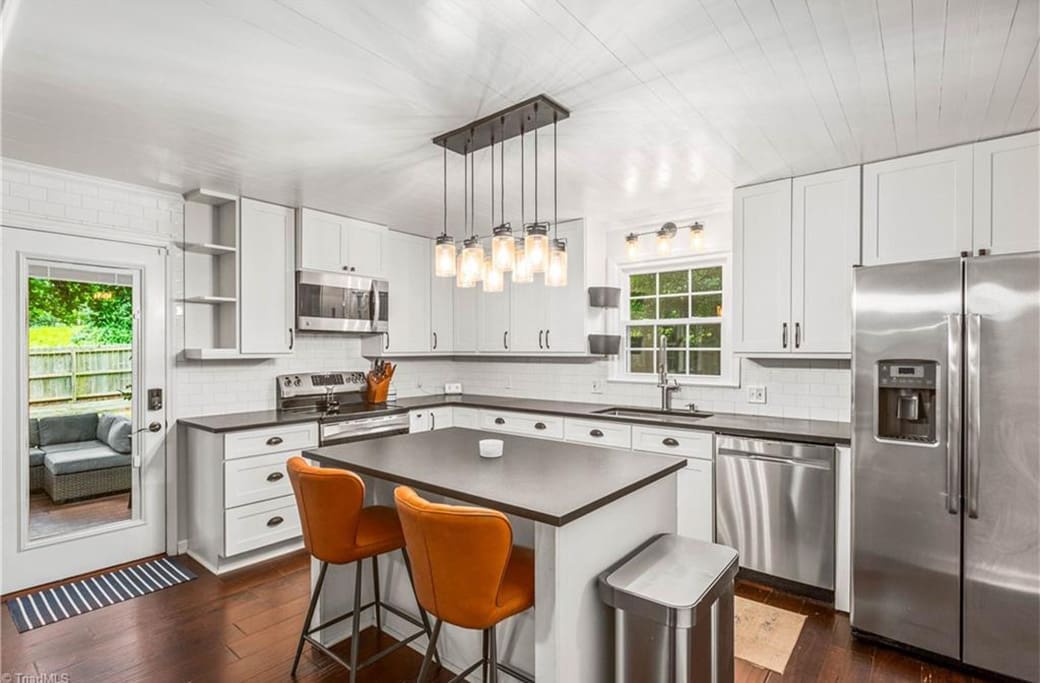
Look beyond the finishes when touring your first home. Layout, condition, and future maintenance all matter.
Finding a home you love is a major milestone, but deciding what to offer involves more than choosing a price. Your offer may address the purchase price, financing, earnest money, due diligence fee, due diligence deadline, closing date, and other contract terms.
At The Ginther Group, we help buyers review comparable properties and understand how the terms of an offer fit their goals and the circumstances of the sale. A strong offer is not always the highest offer. Price, timing, contingencies, and other terms may all affect a seller’s decision. Before signing, make sure you understand the proposed contract and the financial commitments involved.
7. Know How North Carolina’s Due Diligence Period Works
North Carolina’s due diligence process is especially important for first-time buyers because it may differ from what you’ve heard about buying a home in other states. Under the commonly used North Carolina residential purchase contract, the buyer and seller may negotiate a due diligence period and a due diligence fee. The due diligence period gives the buyer time to investigate the property and other purchase considerations, subject to the contract’s terms and deadlines.
Is the Due Diligence Fee Refundable?
Generally, the due diligence fee is not refundable if the buyer terminates during the due diligence period. However, contract provisions and specific circumstances matter, including situations involving seller breach. The fee is typically credited toward the purchase price at closing. Earnest money is a separate deposit with its own contract provisions and handling requirements. Since deadlines and termination rights are important, we encourage buyers to review their contract carefully and seek legal advice when needed.
What Should You Do During Due Diligence?
Depending on the home, your investigations may include:
-
- A general home inspection
- Pest or wood-destroying insect evaluation
- Radon testing
- Specialized roof, HVAC, plumbing, or structural evaluations
- Reviewing HOA documents and restrictions
- Confirming insurance availability and estimated costs
- Reviewing survey, boundary, or title concerns with appropriate professionals
A home inspection is not a guarantee that every problem will be discovered. It is one important source of information for deciding whether to proceed.
8. What Happens If the Inspection Finds Problems?
Most homes, including newer properties, have some items that may need attention. The important questions are how serious those findings are, what repairs may cost, and whether you’re comfortable accepting the property’s condition. Depending on the contract and negotiations, buyers may request repairs or other concessions. However, a seller is not automatically required to agree to requested repairs simply because an inspection identifies an issue.
Our team helps buyers communicate concerns and navigate negotiations, while qualified inspectors and contractors provide technical assessments. Try to distinguish routine maintenance from major concerns that could significantly affect safety, usability, or your budget.
9. Prepare for the Appraisal, Loan Approval, and Closing
After your offer is accepted, there is still important work to complete before the home becomes yours. Your lender may order an appraisal, request updated financial documents, and complete underwriting. A closing attorney typically handles important legal and settlement aspects of a North Carolina real estate closing.
During this stage, you may also need to arrange homeowners insurance, confirm funds required for closing, review settlement documents, and plan your move. At The Ginther Group, our agents and transaction coordination process help keep the parties informed as the purchase moves toward closing.
What Should You Avoid Before Closing?
Until your purchase is complete, it’s generally wise to avoid major financial changes without discussing them with your lender. That includes opening new credit accounts, financing furniture or a vehicle, making large unexplained transfers, or changing employment arrangements without understanding how they may affect loan approval.
Before sending closing funds, independently verify wiring instructions using a trusted phone number. Real estate wire fraud is a serious risk.
10. Common First-Time Homebuyer Mistakes to Avoid

From the first consultation to closing day, our team helps buyers stay informed and organized.
A little preparation can prevent unnecessary stress. Here are several mistakes worth avoiding:
Shopping before understanding your budget. Preapproval and a comfortable monthly payment should guide your search.
Spending all your available savings. Leave room for closing expenses, moving costs, and unexpected repairs.
Choosing a home based only on appearance. Attractive finishes don’t replace inspections and careful property evaluation.
Misunderstanding due diligence. Know your contract deadlines and what money may be at risk.
Ignoring long-term ownership costs. Taxes, insurance, utilities, maintenance, and HOA expenses can change the affordability picture.
Waiting too long to ask questions. Buying your first home involves unfamiliar documents and decisions. Ask for explanations before signing or committing funds.
Ready to Buy Your First Home in Winston-Salem?
You don’t have to figure out the entire process before reaching out. At The Ginther Group, we help first-time buyers establish their priorities, understand the local market, evaluate homes, and navigate the steps from consultation through closing. Whether you’re ready to tour properties or simply want to understand what you should do first, we’re here to help you build a plan.
Contact The Ginther Group to Schedule a Buyer Consultation
Or call 336-283-8689 to speak with our team.