

Buying a home involves much more than saving for the sticker price. While the down payment often gets the most attention, unexpected fees can quickly impact your mortgage budget if you’re not fully prepared.
Planning for these hidden home buying costs is especially important when buying a home in Winston-Salem. The local real estate market can move quickly, and having a complete understanding of your finances helps ensure a smooth and confident purchase. Knowing what to expect upfront gives you an advantage when navigating the North Carolina market.
For a full breakdown of the home buying process, visit our Winston-Salem home buyer guide.
Why Hidden Costs Matter When Buying a Home
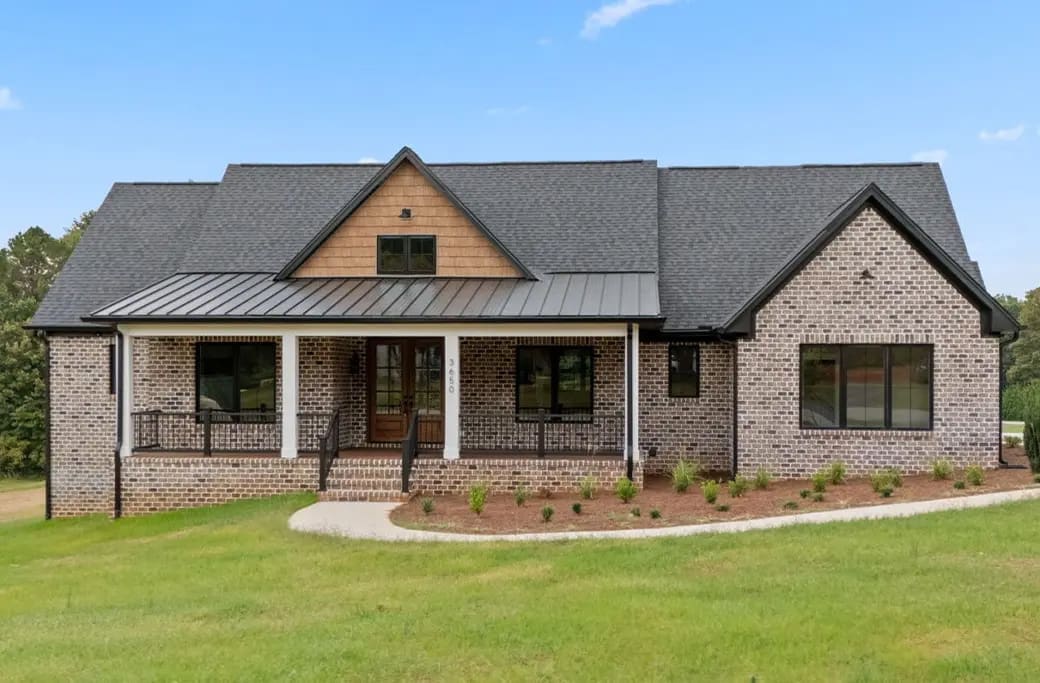
Buyers tend to go all in on saving up enough cash for their down payment and crunching the numbers on their monthly mortgage payment, but that’s only half the story. Failing to factor in the hidden expenses can leave you feeling financially squeezed when the final paperwork arrives.
If you don’t account for those surprise expenses, they can really put a dent in your finances. You might find yourself raiding your emergency fund or getting slammed with high interest credit card debt just to get to the closing table.
Planning ahead is key to making sure home affordability is in the cards. By getting a handle on all the home buying expenses up front, you get to call the shots on your budget, which means you can avoid getting caught in a situation where you’re “house poor” and still have a bit of wiggle room to make the new place feel like home.
Closing Costs in North Carolina Explained
Before you get to swing that front door open, there are closing costs to settle up. In North Carolina, these expenses usually add up to anywhere from 2 to 5 percent of the total loan amount. These fees cover the administrative and legal aspects that happen behind the scenes when you transfer property ownership.
Some common closing costs that North Carolina buyers have to deal with are:
-
- Loan origination fees: That’s the fee lenders charge to process, underwrite and create your mortgage loan.
- Title insurance: This protects both you and the lender from any potential future disputes over property ownership.
- Attorney fees: In North Carolina, a real estate attorney has to be involved in the closing process to make sure all the paperwork is in order.
- Recording fees: That’s the fee the local government agencies charge to officially record the new deed and mortgage documents.
If you need some help figuring out how these fees will impact your overall purchasing power, read more about how much home you can afford in Winston-Salem.
Due Diligence Fee & Earnest Money (Unique to NC)

North Carolina has a bit of a twist on how real estate contracts get handled. It involves an upfront payment to the seller when your offer is accepted. That’s the due diligence fee and then there is the earnest money.
The due diligence fee is a non-refundable payment made directly to the seller as soon as your offer is accepted. This covers the seller for having to take their property off the market while you conduct your inspections and finalize your loan. If you decide to walk away from the deal at that point, the seller gets to keep that money.
Earnest money on the other hand is a good faith deposit that gets held in an escrow account. If you end up buying the property, both the due diligence fee and the earnest money are credited towards your final closing costs. But if you decide to back out for a reason not covered by the contract after the due diligence period expires, you risk losing that earnest money too. Buyers need to have some cash on hand right away when they accept an offer to cover both of these fees.
Home Inspection & Appraisal Costs
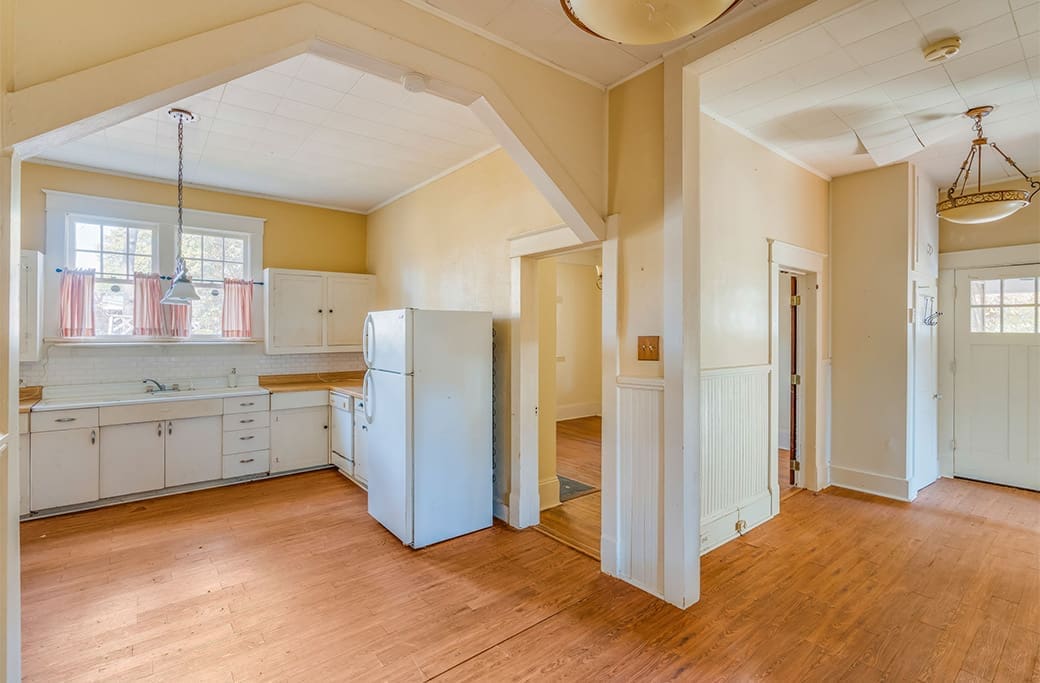
Don’t even think about skipping the home inspection to save a few dollars. It’s not worth the risk. A professional home inspection is usually around $400 to $600, depending on the size and age of the property. This is a vital step that can uncover hidden flaws like faulty wiring, plumbing issues, or foundational problems before you finalize the purchase.
Lenders also require a professional property appraisal to make sure the home is actually worth what you’re borrowing. That usually adds another $400 to $700 to your upfront home buying expenses. Skipping the inspection is incredibly risky. You could end up inheriting thousands of dollars in hidden repairs. The appraisal is a must-have, though. It’s a requirement for getting your mortgage approved.
Moving Costs Most Buyers Forget
Securing the home is only part of the equation. You still have to get your belongings there. Relocation expenses often catch buyers off guard.
Hiring professional movers can cost anywhere from a few hundred to several thousand dollars, depending on the distance and volume of items. Even if you’re going the DIY route, renting a moving truck and buying some packing supplies can add up fast.
Don’t forget about utility deposits either. Setting up electricity, water, and internet at your new address usually requires a bit of upfront cash. Factor in the cost of taking a few days off work, potential temporary storage, and those first week essentials like basic groceries, cleaning supplies and new door locks.
Ongoing Costs After Closing

Homeownership brings with it a steady stream of financial responsibilities that go way beyond your monthly mortgage payment.
-
- Property taxes: Local governments assess property taxes annually and these rates can vary by county. They’re usually factored into your monthly mortgage payment through an escrow account.
- Homeowners insurance: Lenders require comprehensive insurance to protect the property from fire, theft, and natural disasters.
- Maintenance and Repairs : Your HVAC system breaks, the roof starts leaking, and your appliances just stop working. A good rule of thumb for homeowners is to sets aside 1% to 2% of the home’s total value annually for routine upkeep.
- HOA Fees: Buying properties in a planned community means you are going to have Homeowners Association fees. These cover the amenities and shared spaces the community looks after.
Doing some forward planning to cover these expenses will save you a world of stress further down the line and means you can keep an eye on your investment.
How to Budget for Hidden Costs Before You Buy

The secret to navigating the property market like a pro is to start from the other end. Work out how much you can afford and then figure out what that actually means in terms of costs. Don’t just put all your savings into a down payment. Be sure to set aside a bit of cash for those hidden home buying costs and emergencies.
Get in touch with a local lender as soon as possible to get a pre-approval and get them to break down every single cost so you can see exactly what you’ll be paying on a monthly basis. There’s a link to our home affordability guide if you want to dive a bit deeper into all this.
Tips to Avoid Financial Surprises When Buying a Home
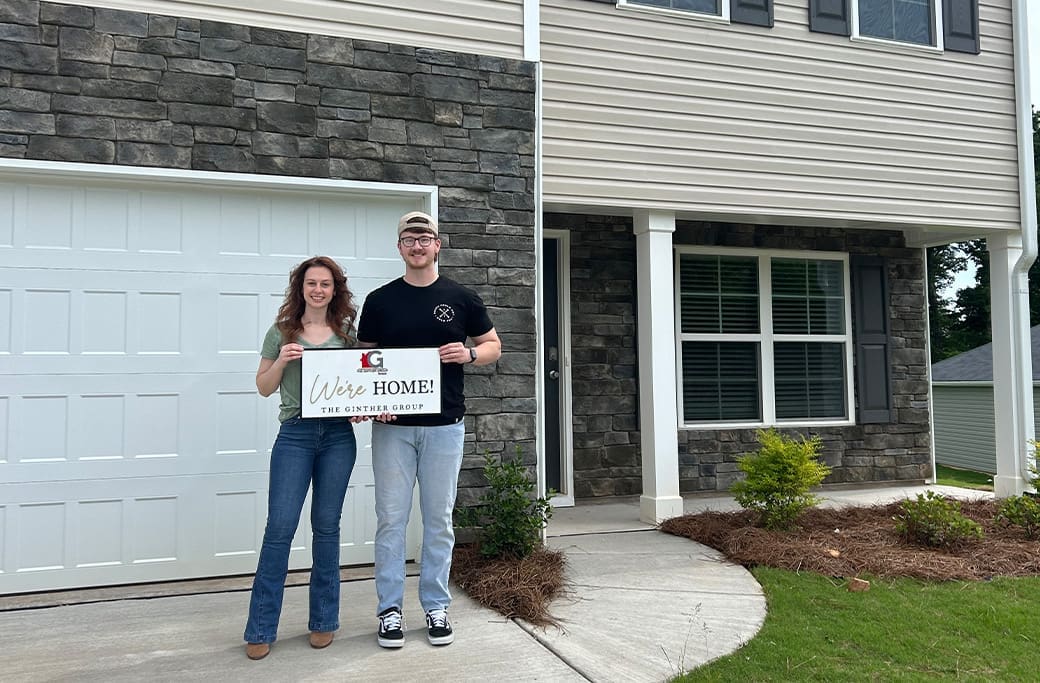
Preparation is key. Work with a local real estate agent who has some insider knowledge of the area and can spot any potential pitfalls coming a mile off. That way they can fight your corner and make sure everything runs smoothly.
Ask your lender to give you an estimated closing disclosure fairly early on, so you can start checking out line-item charges and question anything that looks a bit fishy. Take some time to shop around for loans and compare the interest rates and all the little charges like origination fees.
Finally, don’t be tempted to max out your budget. You want to have some wiggle room for when the roof starts leaking or the property taxes go up a bit.
Secure Your Home in Winston-Salem with Confidence
The best way to ensure your property buying experience is smooth and stress-free is to plan for all hidden costs in advance. Acknowledging expenses like closing costs, due diligence fees, and long-term maintenance protects your savings and makes the transition into your new home much more enjoyable.
Do your research, factor in maintenance and other costs, and you’ll find the whole experience is a lot less stressful. If you need guidance navigating the Winston-Salem real estate market, contact The Ginther Group. Our real estate agents are ready to help you find the perfect property, while keeping your budget entirely intact.
Ready to get started ? Revisit our Winston-Salem home buyer guide to learn what to expect and how to prepare. While you’re at it, check out our current listings for properties for sale in the area.


