

Do I Need to Check Flood Risk When Buying in Winston-Salem?
Yes. You should check flood risk before buying a home in Winston-Salem, even if the property isn’t located in a designated high-risk flood zone.
Flooding isn’t always as obvious as buying a home directly beside a river or creek. Drainage, topography, nearby waterways, and changing weather patterns can all affect a property’s risk.
For Winston-Salem buyers, checking flood risk should be part of your due diligence before committing to a home.
Why Should Winston-Salem Buyers Check Flood Risk?
One of the biggest mistakes buyers can make is assuming that a property is safe from flooding simply because it isn’t shown in a high-risk FEMA flood zone.
Hurricane Helene demonstrated why that assumption can be dangerous in North Carolina.
In Western North Carolina, many homeowners whose properties weren’t identified as being in high-risk flood areas experienced devastating flooding. The experience highlighted an important lesson for buyers: an official flood-zone designation shouldn’t necessarily be the only information you consider.
Flood maps are an important starting point, but they’re not the complete picture of a property’s potential risk.
Does Being Outside a Flood Zone Mean a Home Can’t Flood?
No.
Being outside a designated high-risk flood zone doesn’t mean a property has zero chance of flooding.
Before buying, consider:
-
- The property’s elevation and topography
- Nearby creeks, streams, and waterways
- How water drains around the property
- Whether the property has experienced flooding previously
- The surrounding area’s development and drainage
- Available flood-risk assessments
- Whether flood insurance is available and what it would cost
A property can have drainage or flooding concerns without looking particularly risky during a normal showing.
How Can I Check Flood Risk for a Winston-Salem Property?
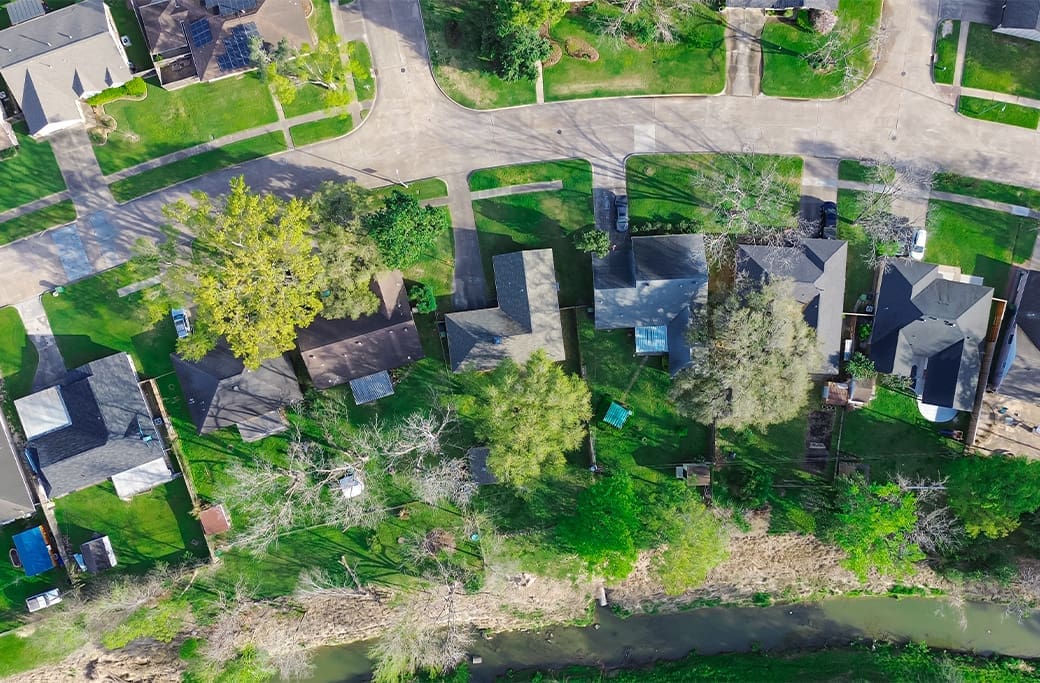
Don’t rely on just one source.
Start With FEMA Flood Maps
FEMA flood maps can show whether a property is located within a designated flood hazard area.
They’re an important first step, but buyers should understand that a map designation doesn’t tell the entire story.
Check North Carolina’s Flood Risk Information System
North Carolina’s Flood Risk Information System (FRIS) provides property-specific flood information and can give buyers another perspective on potential risk.
Enter the property’s address and review the available information before making a decision.
Look at Additional Property-Specific Risk Information
The transcript also highlights the First Street Climate Risk Tool, which provides forward-looking information about climate-related property risks.
The important takeaway isn’t that one tool is always right and another is wrong.
It’s this: Use more than one source when evaluating a property’s flood risk.
If different tools provide different information, don’t simply ignore the higher-risk result. Take the discrepancy seriously and investigate further.
What Else Should I Look For?
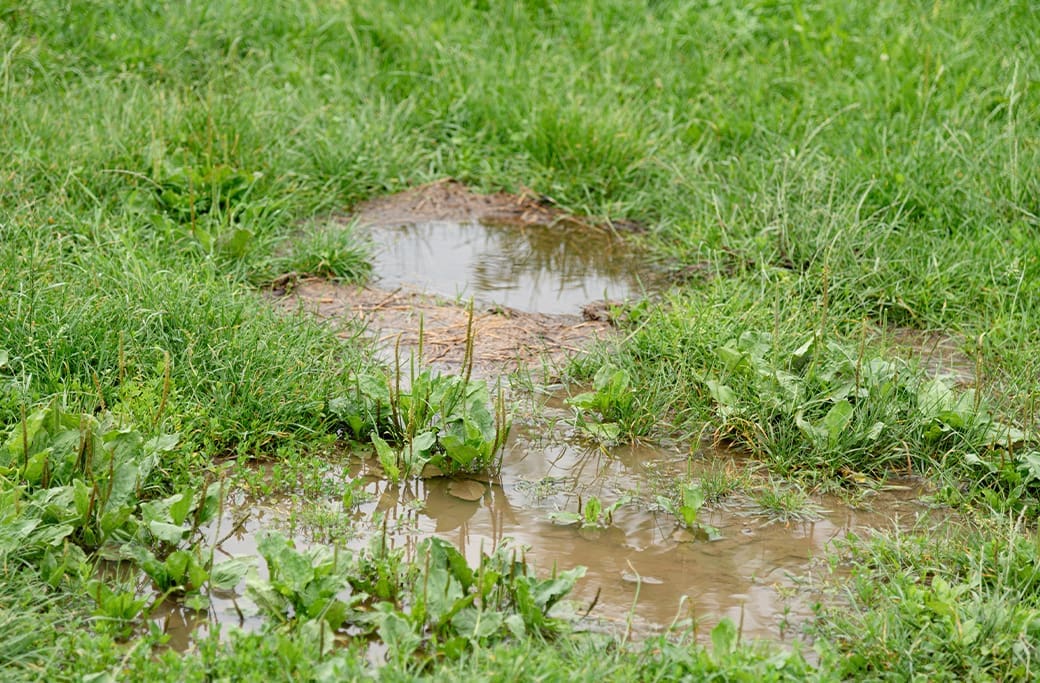
Flood maps aren’t the only thing to investigate. When you’re looking at a Winston-Salem property, pay attention to the physical characteristics of the land.
Look at the Topography
Is the home sitting downhill from another property?
Does the lot slope toward the house?
Where does rainwater appear to go?
Look at Nearby Water
Is there a creek, stream, pond, or other waterway nearby?
Even if the property itself doesn’t touch the water, its location and elevation relative to that water can matter.
Ask About Previous Flooding
Ask the seller and your real estate agent whether the property has experienced flooding or significant water intrusion.
Also look for signs that could indicate previous water problems.
Consider Insurance
Flood insurance isn’t simply a question of whether it’s required.
Even when a property isn’t in a designated high-risk flood zone, buyers should understand the property’s risk and discuss available coverage and costs with their insurance professional.
Insurance availability and cost should be part of your decision before you close, not something you discover afterward.
When Should I Check Flood Risk?
Before making an offer is ideal.
At a minimum, flood risk should be investigated during your due-diligence period, when you’re conducting inspections and researching the property.
The earlier you identify a potential concern, the more information you’ll have when deciding whether the home makes sense for you. A few minutes of research before making an offer can reveal something you may never notice during a showing.
What If Different Flood-Risk Tools Disagree?
Don’t automatically assume that the lower-risk result is the correct one. Different tools can use different data, models, mapping methods, and timeframes. If the information doesn’t match, investigate why.
Depending on the property, you may also want to discuss the situation with appropriate professionals, such as your insurance provider or a qualified flood-risk or property professional.
The goal isn’t to determine that a property has zero risk. The goal is to understand the risk well enough to make an informed decision.
Flood Risk Is One Part of Your Home-Buying Due Diligence
Checking flood risk doesn’t mean you should automatically eliminate a property because it has some level of flood exposure. It means you should know what you’re buying before you commit to it.
Flood risk is just one of the potential issues Winston-Salem buyers should investigate. For a broader look at the less-obvious problems that can affect a home purchase, read our guide to Hidden Risks of Buying a Home in Winston-Salem: What Buyers Need to Know.
If you’re working through the buying process, our Winston-Salem home-buying checklist can help you identify other areas to investigate before you move forward.
Buying in Winston-Salem? Let’s Look Beyond the Listing.
A beautiful home can still come with risks you won’t see during a showing. The key is knowing what to investigate before you make an offer.
If you’re house hunting in Winston-Salem or throughout the Piedmont Triad, The Ginther Group can help you evaluate the home, the neighborhood, and the details that could affect your purchase, so you can make your decision with your eyes open.


