Should You Sell Your House As-Is or Make Repairs in Winston-Salem?
Should you sell your house as-is or make repairs before listing it in Winston-Salem? The best choice depends on your home’s condition, the cost of improvements, your timeline, and what buyers are likely to expect at your price point.
Some homes can sell successfully without major updates. Others may benefit from a few strategic repairs that improve their appearance or address concerns that could complicate a sale. In certain situations, larger improvements may be worth considering, but renovating is not automatically the most profitable choice.
At The Ginther Group, we help Winston-Salem homeowners evaluate these options before deciding how to list their property. The goal is to understand what makes sense for your home, your finances, and your next move.
What Does Selling a House As-Is Mean in North Carolina?
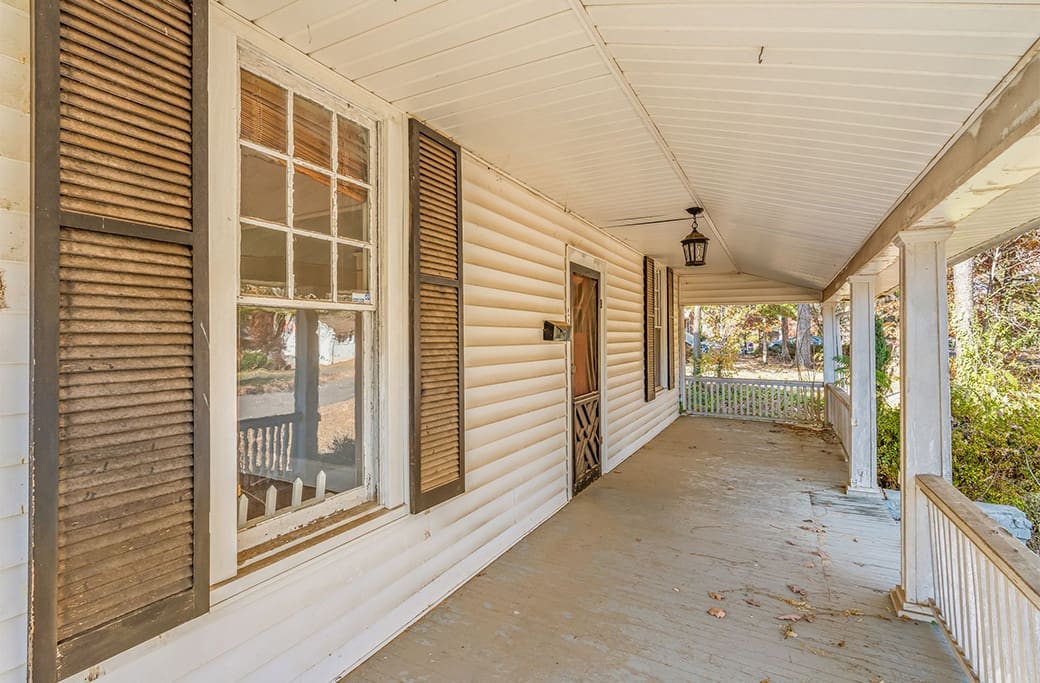
Visible maintenance needs are one factor Winston-Salem homeowners may consider when deciding whether to sell as-is or make repairs before listing.
Selling a home as-is generally means the seller intends to sell the property in its current condition without agreeing in advance to make repairs. It does not necessarily mean the property is in poor condition. A well-maintained home can be sold as-is, just as an older property needing significant improvements can.
There are several important considerations for North Carolina homeowners:
-
- Buyers may still conduct inspections and investigate the property’s condition during their due diligence period.
- Buyers can request repairs or financial concessions, even when the home was advertised as-is.
- Sellers generally are not required to agree to those requests unless their contract establishes a repair obligation.
- Selling as-is does not eliminate applicable property disclosure requirements or the responsibility to avoid misrepresentation.
In other words, an as-is listing communicates the seller’s intentions, but it does not remove the buyer’s ability to evaluate the property or negotiate. Understanding these distinctions can help sellers avoid misunderstandings after receiving an offer.
When Does Selling Your House As-Is Make Sense?
Selling as-is can be a practical choice when the expense, time, or inconvenience of making improvements outweighs the likely benefits.
You Need to Sell on a Shorter Timeline
If you are relocating, managing an inherited property, or coordinating the purchase of another home, spending weeks or months completing improvements may not fit your plans. Selling in the property’s current condition can reduce the preparation required before listing. However, an as-is sale does not guarantee a faster closing. Buyer financing, inspections, title issues, and negotiations can still affect the timeline.
You Don’t Want to Invest More Money in the Property
Not every homeowner has the cash available, or the desire, to complete repairs before selling. An as-is strategy allows you to consider selling without committing additional funds to improvements that may not produce a worthwhile return.
Home Needs Extensive Work
A house with significant deferred maintenance may appeal to buyers who are comfortable taking on renovation projects. The important consideration is pricing. Buyers may account for the expected cost, uncertainty, and inconvenience of completing repairs when deciding what to offer.
Property Is Already Competitive for Its Condition
Not every dated kitchen, older bathroom, or worn floor needs to be replaced. If comparable homes in your Winston-Salem market are selling successfully with similar features, extensive updates may be unnecessary. A local pricing analysis can help determine whether your property’s condition is consistent with buyer expectations.
When Are Repairs Worth Considering Before Listing?
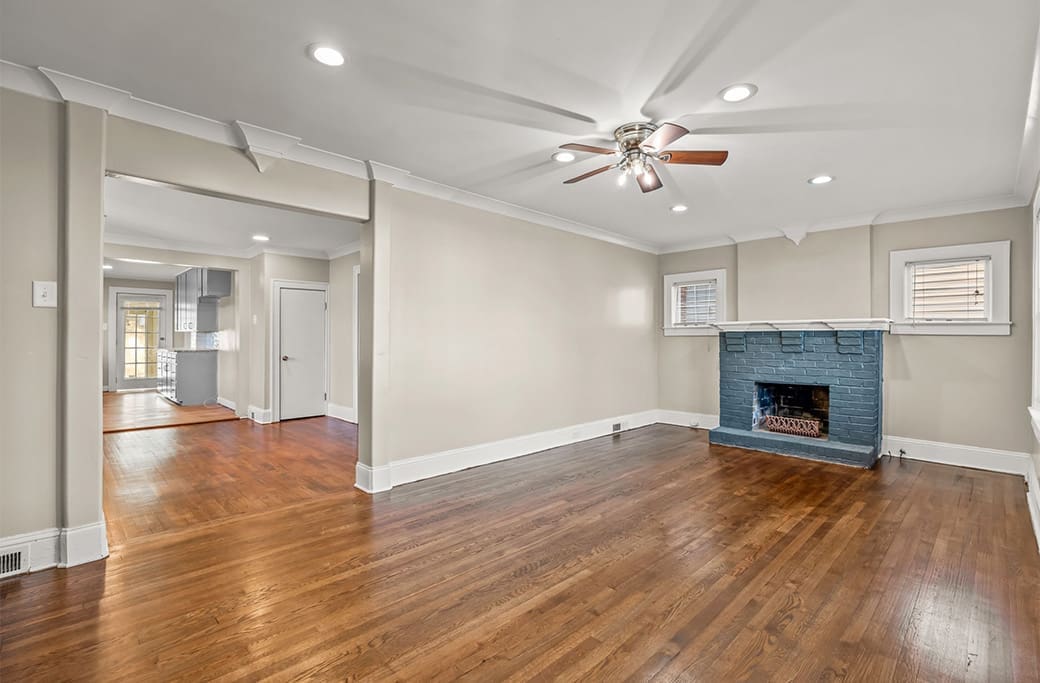
A clean, well-maintained interior can help buyers appreciate a home’s existing features without requiring a complete renovation.
Selective repairs can sometimes improve a home’s marketability without requiring a substantial renovation budget. The key is identifying improvements that address meaningful concerns rather than simply making everything look new.
Address Problems That Could Concern Buyers
Visible water damage, active leaks, electrical concerns, or significant structural issues may raise questions about a home’s condition. Some defects can also affect mortgage eligibility, depending on the loan program and lender requirements. Before investing in repairs, homeowners should obtain qualified assessments and determine which problems genuinely need attention.
Improve the Home’s First Impression
A home does not need to be completely remodeled to make a favorable impression. Cleaning, minor paint touch-ups, landscaping, and addressing obvious maintenance issues may improve how buyers experience the property. These improvements are often less disruptive than major renovations.
For more practical preparation ideas, read our guide to preparing your home for sale in Winston-Salem.
Reduce Uncertainty During Negotiations
Buyers often consider a property’s condition when determining their offer. Addressing certain known problems before listing may help reduce concerns during inspections and due diligence. That does not guarantee fewer repair requests or a stronger offer, but it can help buyers better understand the property’s condition.
Selling As-Is vs. Making Repairs: How Do the Options Compare?
There is no universally better approach. Each involves different costs, responsibilities, and uncertainties.
| Consideration | Sell As-Is | Make Selective Repairs | Complete Larger Improvements |
|---|---|---|---|
| Upfront expense | Usually lower | Moderate, depending on work | Potentially substantial |
| Time before listing | Often shorter | Depends on repairs | Usually longer |
| Buyer audience | Buyers comfortable with existing condition | May appeal to a broader range | May attract buyers seeking updated homes |
| Presentation | Reflects current condition | Addresses visible concerns | May significantly change appearance |
| Negotiations | Condition may influence offers | Some concerns may be resolved | Buyers may still negotiate |
| Financial uncertainty | Potential price adjustments | Repair cost versus benefit | Greater project and return uncertainty |
A useful way to compare these approaches is to estimate the net proceeds, not simply the potential sale price. For example, a renovation that increases a home’s selling price may still be financially unattractive if the improvement costs, holding expenses, and additional time outweigh the increase. Likewise, accepting an as-is offer may be reasonable if it eliminates substantial renovation expenses and allows the seller to move forward sooner.
Which Repairs Might Matter Most to Winston-Salem Buyers?

Thoughtful presentation and cosmetic improvements can help buyers envision how a home fits their lifestyle.
The repairs worth considering depend on the property’s age, location, price range, and condition. Winston-Salem includes older homes with distinctive architectural features, established neighborhoods with mature properties, and newer construction with different buyer expectations. A renovation strategy appropriate for one property may make little sense for another.
Roof, Water, and Moisture Concerns
Roof leaks, drainage problems, and evidence of moisture intrusion deserve careful evaluation. These conditions can create uncertainty about the scope of needed repairs. A qualified contractor or inspector can help establish the extent of a problem before the homeowner decides how to proceed.
Heating, Cooling, Plumbing, and Electrical Systems
Buyers may be concerned about major systems that are malfunctioning, unsafe, or approaching the end of their useful lives. That does not mean every older system should be replaced before listing. A functioning older HVAC system, for example, presents a different decision than one that has stopped working.
Cosmetic Improvements
Interior paint, damaged trim, worn fixtures, and landscaping may be relatively manageable improvements. However, cosmetic work should be prioritized according to the property’s overall condition and competing listings. Replacing a functional kitchen simply because its finishes are dated may not be necessary.
Older Home Considerations
In some of Winston-Salem’s established neighborhoods, buyers may appreciate original details and architectural character. Homeowners should be careful not to assume that removing older features or making highly personalized renovations will increase a property’s appeal. The goal is to make thoughtful decisions based on the actual home and its likely buyer audience.
Should You Make Major Renovations Before Selling?
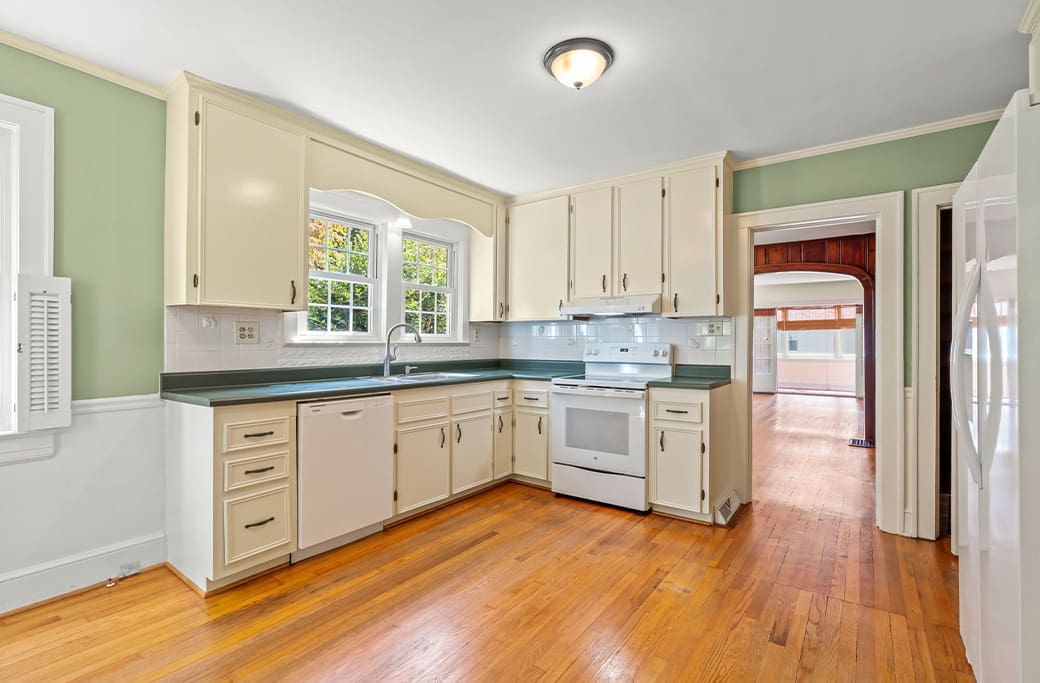
A functional but dated kitchen doesn’t always need a complete renovation before selling. The Ginther Group helps Winston-Salem homeowners evaluate which improvements are worth considering before listing.
Major renovations require a more careful financial evaluation. Kitchen remodels, bathroom renovations, extensive flooring replacements, and large-scale exterior improvements can involve substantial expense and scheduling uncertainty.
Before starting, consider these questions:
-
- How does your home’s current condition compare with similar properties that have recently sold?
- What would the proposed improvements actually cost?
- How long would the work take?
- Would the improvements appeal to likely buyers?
- Is there enough evidence that the improved property could justify the additional investment?
- Could a smaller set of repairs accomplish most of the same goals?
A higher potential listing price does not automatically mean higher net proceeds. For homeowners who want to explore renovations without paying the project costs upfront, The Ginther Group also offers a program worth evaluating.
Could Renovate Now, Pay at Closing Be an Option?
The Ginther Group’s Renovate Now, Pay at Closing program provides an option for homeowners considering improvements before selling. Through the program, our team works with the seller to assess the property, develop an improvement plan, and coordinate renovation work intended to improve the home’s presentation and marketability. Rather than requiring the seller to pay renovation costs upfront, the program provides for reimbursement at closing.
The program also includes a concierge fee paid at closing. This approach may be useful for homeowners who want to consider improvements but prefer not to fund the work before selling. However, the program is not necessarily the best choice for every property. The scope of work, expected costs, potential benefits, eligibility, and payment terms should be reviewed before making a decision. We recommend evaluating renovation options alongside an as-is selling strategy so homeowners can understand the tradeoffs.
How Can You Decide What Makes Financial Sense?
Before spending money on repairs, compare the likely outcomes of each selling strategy.
Step 1: Understand Your Home’s Current Market Position
Start by reviewing comparable properties, including homes in similar condition. A home that needs updates should not automatically be compared with fully renovated properties without accounting for the differences.
Step 2: Identify Necessary and Optional Improvements
Separate genuine property concerns from cosmetic preferences. An active plumbing leak and an outdated but functional bathroom are different types of issues.
Step 3: Obtain Realistic Repair Estimates
If improvements are being considered, get estimates from qualified professionals. Account for possible scheduling delays and unexpected conditions, especially with older properties.
Step 4: Compare Potential Net Proceeds
Consider the likely selling price under each approach, less the associated repair costs, selling expenses, and additional carrying costs. The comparison should reflect uncertainty rather than assuming a particular renovation will produce a guaranteed return.
Step 5: Consider Your Personal Timeline
The financially preferable option is not always the one with the highest possible selling price. Moving deadlines, available cash, personal circumstances, and the inconvenience of construction may influence your decision.
For a broader understanding of the process, explore our Winston-Salem home-selling guide.
Get a Local Selling Strategy for Your Winston-Salem Home
Deciding whether to sell as-is or make repairs is easier when you understand how buyers may evaluate your particular property. At The Ginther Group, our seller consultations begin with a walkthrough of the home and a conversation about your goals. We evaluate the property’s condition, discuss pricing and marketing considerations, and help you explore options that may include selling in its current condition, completing selective improvements, or considering our renovation program.
Our goal is not to encourage unnecessary spending. It is to help you choose a selling strategy that fits your circumstances.
Thinking about selling your Winston-Salem home? Contact The Ginther Group to discuss your property and the options available before making expensive improvements.