
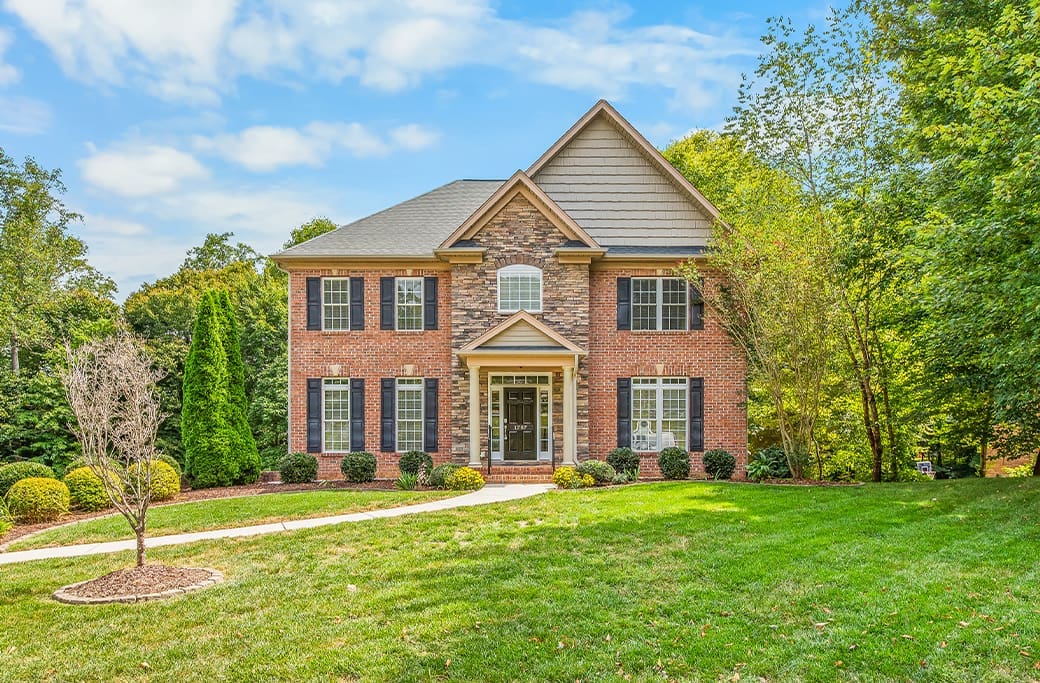
Selling an Inherited House in North Carolina: What Winston-Salem Heirs Should Know
Inheriting a house in North Carolina can bring a mix of emotions, responsibilities, and decisions. Whether the property was a family home, a rental, or a house you haven’t visited in years, you may be wondering what happens next.
Before selling an inherited house in North Carolina, you should confirm who has legal authority to sell it, understand any outstanding financial obligations, evaluate the property’s condition, and compare your options. Depending on how the property was owned and the circumstances of the estate, you may need guidance from an estate attorney before moving forward.
Selling an inherited property follows many of the same steps as a traditional home sale, including pricing, preparation, marketing, negotiations, and closing. Our complete guide to selling a home in Winston-Salem explains the process in greater detail and can help you understand what to expect once you’re ready to move forward.
For heirs in Winston-Salem and Forsyth County, understanding both the legal considerations and the local housing market can make the decision easier.
What Should You Do First After Inheriting a House in North Carolina?

Understanding your options is an important first step before deciding whether to sell an inherited home.
You don’t have to decide immediately whether to sell. Begin by gathering information about the property and determining who is responsible for it.
Confirm Ownership and Authority to Sell
One of the most important first steps is understanding how ownership transfers after someone dies. In North Carolina, houses and land often pass directly to heirs or beneficiaries rather than being administered as ordinary probate assets. However, that does not mean every heir automatically has the authority to list and sell the property independently.
The answer depends on factors such as:
-
- Whether the deceased person had a valid will
- How the property was titled
- Whether there are surviving co-owners
- Whether estate debts require the property to be sold
- Whether an executor or administrator has authority under the will or through a court proceeding
An estate attorney can help determine who must participate in a sale and whether additional legal steps are required.
Gather Important Property Documents
If available, locate the deed, mortgage statements, property tax information, homeowners insurance documents, and records of major repairs or improvements. If you don’t have these records, the estate’s personal representative or an attorney may be able to help identify what is needed.
For a property in Forsyth County, the Register of Deeds and local property tax records can also be useful starting points for researching ownership and property information.
Protect and Maintain the Property
Even if the house is vacant, it may still require ongoing attention. Check that the property is secure, utilities are appropriately maintained, and insurance coverage reflects its current occupancy status. Also determine whether mortgage payments, property taxes, HOA assessments, or other obligations remain outstanding. If the house will be unoccupied for an extended period, contact the insurance provider to discuss applicable coverage requirements.
Can You Sell an Inherited House Before Probate Is Complete?
Sometimes, yes. However, the ability to sell depends on who holds title and who has legal authority to convey the property.
North Carolina treats inherited real estate differently from many other estate assets. According to the North Carolina Judicial Branch, houses and land generally are not administered through the probate estate unless the will provides otherwise or the property must be sold to pay estate debts.
In some situations, heirs who have received ownership may be able to sell while other aspects of estate administration continue. In others, an executor, administrator, or court proceeding may be involved. For example, if estate debts require the sale of real property, North Carolina law provides procedures through which a personal representative may seek authorization from the clerk of superior court. A will may also grant specific selling authority.
The practical takeaway is simple: don’t assume probate must be completely finished, but don’t sign a listing agreement or sales contract without confirming who can legally authorize the sale.
A North Carolina estate attorney and the closing attorney can help clarify the property’s title and the steps necessary to transfer it.
What Happens If Multiple Heirs Inherit the Same House?
When several family members inherit interests in one property, deciding what to do can become more complicated. One heir may want to keep the home, another may prefer to sell, and another may be concerned about ongoing expenses.
Before moving forward, it helps to discuss:
-
- Who legally owns an interest in the house
- Whether everyone agrees about selling
- Who will maintain the property while decisions are made
- How ongoing expenses will be handled
- Whether one heir wants to purchase the interests of the others
- How the eventual sale proceeds would be distributed
If the heirs agree to sell, the process may be relatively straightforward once title and signing requirements are established. If they disagree, an attorney can explain possible legal options, including whether a partition proceeding may be appropriate. A real estate agent cannot resolve ownership disputes or determine each heir’s legal rights. Establishing agreement early can make the eventual real estate transaction more manageable.
Should You Keep, Rent, or Sell an Inherited House?

Property condition, location, and ongoing ownership costs can all influence the decision to keep or sell.
If you’ve inherited a house in North Carolina, you generally have three options once ownership and legal authority are established: keep the property, rent it, or sell it.
Keeping the home may make sense if you plan to live there or want to retain it for your family. Renting could provide ongoing income, but it also involves maintenance, property management, and financial responsibilities. Selling may be the better option if you don’t want to maintain the property or need to divide proceeds among multiple heirs. Before deciding, consider the property’s condition, ongoing expenses, location, and whether everyone with an ownership interest agrees on the next steps.
Inherited property isn’t always a house. If you’ve inherited an undeveloped parcel or additional acreage, the considerations may be different from those involved in selling a residence. Our article on options for inherited land explores those decisions in more detail.
Can You Sell an Inherited House As-Is in North Carolina?
Yes, an inherited house can generally be offered for sale in its current condition, provided the appropriate owners or representatives have authority to sell it.
An as-is sale can be appealing when the property needs repairs or the heirs do not want to undertake a renovation. However, selling as-is doesn’t necessarily eliminate negotiations, buyer inspections, contractual obligations, or applicable disclosure requirements. A buyer may still investigate the property’s condition and decide whether to proceed based on the purchase agreement.
Should You Make Repairs Before Selling?
Not every inherited home needs a major renovation before selling. Sometimes, cleaning, decluttering, addressing maintenance concerns, and making a few targeted improvements can help the property appeal to buyers.
Before spending money, consider:
-
-
The condition of the roof, HVAC, plumbing, and electrical systems
-
Whether there are moisture or structural concerns
-
The condition of flooring, paint, and interior finishes
-
How the house compares with similar homes currently for sale
-
Whether repairs are likely to improve the financial outcome
-
Some houses may benefit from modest cosmetic improvements. Others may be better positioned for buyers willing to make their own updates. Our guide to preparing a home for sale explains how to prioritize improvements without spending unnecessarily.
The Ginther Group also discusses renovation options during seller consultations, including its Renovate Now, Pay at Closing program when appropriate. Program terms, eligibility, and costs should be reviewed before making a decision.
What Costs Should You Consider Before Selling an Inherited House?
The eventual sales price is only one part of the financial picture. An inherited property may have expenses that continue before the sale, as well as costs associated with closing.
Ongoing Property Expenses
Depending on the situation, these may include mortgage payments, insurance, property taxes, utilities, HOA assessments, lawn care, maintenance, and security. If the house remains vacant for several months, these costs can affect the decision to sell sooner or hold the property.
Preparing the Property for Sale
You may need to budget for cleaning, removing personal belongings, repairs, landscaping, or professional services. For a family home containing decades of belongings, sorting possessions and arranging an estate cleanout may require additional planning.
Closing and Transaction Expenses
Potential expenses include negotiated real estate compensation, attorney and closing charges, mortgage payoffs, applicable taxes, and other property-specific obligations. The closing attorney can help determine which financial obligations must be addressed before title transfers.
A local listing consultation can help you estimate potential sale proceeds, while an attorney and tax adviser can address legal and tax-specific questions.
Are There Tax Implications When Selling an Inherited House?
Selling inherited property can create federal income tax reporting obligations, even when the property was received through inheritance rather than purchased.
Understanding the Inherited Property Tax Basis
For federal income tax purposes, the basis of inherited property is generally its fair market value on the date of the previous owner’s death, subject to applicable exceptions and special rules. This is often called a step-up in basis, although the value can also be lower than the previous owner’s basis. For example, suppose an inherited house had a qualifying date-of-death value of $300,000 and was later sold for $320,000.
The taxable gain would not automatically be $320,000. The calculation generally considers the adjusted tax basis, selling expenses, and other applicable adjustments. A tax professional should determine the actual gain and reporting requirements.
Do You Owe Capital Gains Tax?
Possibly. The tax outcome depends on the property’s adjusted basis, sale proceeds, deductible selling expenses, ownership circumstances, and applicable tax rules. The IRS generally treats inherited capital assets as held for more than one year, regardless of the actual time between inheritance and sale. A tax adviser can also explain whether federal or state reporting requirements apply and whether any special circumstances affect the transaction.
Before selling, consider obtaining documentation of the property’s value at the relevant inheritance date. This information may be important when calculating taxable gain.
How Do You Prepare and Sell an Inherited House in Winston-Salem?

Thoughtful preparation can help buyers understand a home’s potential.
Once legal authority and ownership questions are resolved, selling an inherited home generally follows the local residential selling process.
Step 1: Evaluate the Property
Begin with a walkthrough and discussion of the home’s condition. A local real estate agent can help identify how the property compares with other homes in Winston-Salem and which features may matter most to potential buyers.
Step 2: Develop a Pricing and Preparation Strategy
An inherited house may have older finishes, deferred maintenance, or features that were valuable to the previous owner but need to be evaluated from a buyer’s perspective. Pricing should reflect current comparable properties, condition, location, and market competition—not simply the home’s tax assessment or sentimental value.
Step 3: Prepare the Home for Listing
Depending on the agreed strategy, preparation may involve cleaning, removing belongings, repairs, photography, and organizing access for showings. The Ginther Group’s seller process includes a consultation, property walkthrough, pricing discussion, preparation plan, professional presentation, and marketing strategy.
Step 4: Market the Property and Review Offers
Once listed, the home can be marketed to prospective buyers. Your listing agent can help evaluate offers based on price, financing, due diligence terms, closing timeline, and other contractual considerations.
Step 5: Navigate Due Diligence and Closing
In a typical North Carolina residential transaction, the buyer may conduct inspections and other investigations during the contractual due diligence period. Repair requests or other issues may lead to additional negotiations. For inherited property, the closing attorney must also ensure the appropriate parties execute the necessary documents and that title can be transferred.
For a broader overview, read our complete guide to selling a home in Winston-Salem.
When Should You Contact a Winston-Salem Real Estate Agent?
You don’t have to be ready to list immediately to benefit from a conversation about the property. If you’re deciding whether to keep, rent, or sell an inherited house, a local real estate consultation can help you better understand its market position and the practical steps involved in a potential sale.
An attorney should address legal ownership and estate administration first where necessary, but you can begin learning about the property’s market value and preparation options while those questions are being resolved.
At The Ginther Group, we start with a discussion of your goals, preferred timeline, and the condition of the home. From there, we can help you evaluate pricing, preparation, marketing, and the selling process.
Considering Selling an Inherited House in Winston-Salem?
Whether you’ve recently inherited a home or have been managing a family property for some time, you deserve the opportunity to understand your options before making a decision.
Contact The Ginther Group to discuss your inherited property’s potential market value and what selling it in Winston-Salem could involve.
There’s no need to have every detail figured out before starting the conversation.
This article provides general real estate information, not legal or tax advice. Inherited-property transactions can involve estate administration, title, creditor, and tax issues. Consult a qualified North Carolina attorney and tax professional about your circumstances.


