Hidden Risks of Buying a Home in Winston-Salem: What Buyers Need to Know
Buying a home in Winston-Salem can be an exciting experience, especially when you find a property that checks all the boxes on your wish list. However, a home can look perfect on the surface and still come with issues that aren’t obvious during a typical showing.
From crawlspace moisture and aging roofs to future road projects, HOA restrictions, septic systems, and the location of a home’s garage, there are details worth investigating before you make an offer, or become too emotionally attached to a property.
Understanding these potential issues doesn’t mean you should avoid homes with them. Instead it is one reason having experienced Winston-Salem buyer representation can be valuable during the home search and due-diligence process.Knowing what to look for gives you the information you need to make a more informed decision, negotiate when appropriate, and understand the true costs and trade-offs of the property you’re considering.
Here are some of the hidden risks and considerations we encourage buyers to investigate when purchasing a home in Winston-Salem and throughout the Piedmont Triad.
1. Basement Garages in 1990s Homes

Winston-Salem and the surrounding Piedmont Triad have many neighborhoods developed during the major construction boom of the 1990s. Due to our area’s rolling terrain, it’s common to find two-story homes with garages located at the basement or lower level.
The homes themselves may be well-built and located in desirable neighborhoods, but the garage configuration can be a consideration for today’s buyers.
A basement-level garage may mean carrying groceries, children, or other belongings up a full flight of stairs to reach the main living level. For some buyers, that isn’t a concern. For others, it can significantly affect the home’s appeal.
It can also affect the home’s future buyer pool when you eventually sell.
What to look for: If you’re considering a 1990s home with a lower-level garage, pay attention to how you’ll access the main living level and whether the garage configuration works for your lifestyle. In some situations, a driveway redesign or circular driveway that provides access closer to the main entrance may improve functionality.
The important thing is to consider the trade-off before you fall in love with the house.
2. Flood Risk Isn’t Always Obvious
Many buyers assume that checking whether a property is in a FEMA flood zone tells them everything they need to know about flood risk. It doesn’t necessarily tell the whole story.
Flooding can occur outside designated high-risk flood zones, particularly around creeks, drainage areas, and properties with topographical or stormwater considerations.
This became especially apparent following Hurricane Helene, which caused catastrophic flooding in parts of Western North Carolina in 2024. The event highlighted why buyers shouldn’t rely on a single map or risk indicator when evaluating a property.
Before buying a home, consider looking at multiple sources of information, including:
-
- FEMA flood maps
- North Carolina’s Flood Risk Information System
- Property-specific flood history
- Nearby creeks and waterways
- Drainage patterns and topography
- Current flood insurance requirements and availability
If different sources indicate different levels of risk, that’s a reason to investigate further rather than simply choosing the more favorable result.
What to look for: Don’t wait until you’re under contract to discover that a property has a history of flooding or drainage problems. Investigate potential flood risk before making an offer whenever possible.
3. Traffic and Road Noise Can Change the Experience of a Home
A home can look peaceful during a Saturday afternoon showing and feel very different during Monday morning rush hour.
Properties located near busy roads, major intersections, highways, or heavily traveled routes can experience traffic noise, headlights, increased truck traffic, and other disturbances that aren’t immediately apparent during a short showing.
This matters in the Triad because one of the things that attracts many buyers to Winston-Salem and surrounding communities is the quieter suburban and semi-rural environment.
A home that backs up to a busy road may therefore feel noticeably different from other properties in the same price range.
What to look for: Visit the property at different times of day, particularly early morning and early evening. Roll down the car windows. Spend a few minutes in the backyard. Sit quietly on the porch.
Listen.
You may learn more in 15 minutes of intentional observation than you will from a 30-minute showing.
4. Don’t Ignore the Crawlspace

If you’re moving to North Carolina from another part of the country, you may not be accustomed to homes built over crawlspaces.
Crawlspaces are common throughout North Carolina, but the state’s warm, humid climate creates conditions that can contribute to moisture-related problems.
Water intrusion or excessive humidity can contribute to:
-
- Wood rot
- Mold and microbial growth
- Pest activity
- Deterioration of structural components
- Poor indoor air quality
- More expensive repairs over time
A crawlspace that looks like a minor issue during a showing can become much more significant if moisture has been present for an extended period.
What to look for: During your inspection, pay particular attention to moisture, drainage, vapor barriers, insulation, wood conditions, ventilation or dehumidification, and evidence of pest activity.
If the crawlspace raises questions, consider whether you need additional evaluation from an appropriate professional.
5. A Beautifully Updated Home Can Still Have an Aging Roof

One of the easiest things for buyers to overlook is what hasn’t been renovated.
A flipped or recently updated home may have new flooring, paint, countertops, fixtures, and appliances. However, those cosmetic improvements don’t necessarily tell you anything about the age or condition of the roof, HVAC system, plumbing, electrical components, or other major systems.
The roof deserves particular attention because it can also affect your ability to obtain homeowners insurance and the cost of coverage.
Before purchasing a home, ask:
-
- How old is the roof?
- When was it installed?
- Who performed the work?
- Are permits available?
- Is there documentation or a transferable warranty?
- What does the inspection say about its remaining useful life?
- Can you obtain insurance on the property under the terms you expect?
Don’t rely solely on a seller’s verbal estimate of the roof’s age. Documentation is much more useful.
6. An Unfinished Basement Isn’t Automatically Finished Living Space
Seeing the word “basement” in a listing can cause buyers to start imagining a home theater, gym, guest suite, or recreation room. However, not every basement is designed, or legally suitable, for finished living space.
Older homes in Winston-Salem and throughout the Piedmont may have unfinished, partially finished, low-ceiling, or moisture-prone basement areas. Soil conditions, drainage, ceiling height, structural characteristics, and the overall condition of the space can all affect its usability.
What to look for: Before assigning significant value to an unfinished basement, determine what the space can realistically be used for. Pay attention to moisture, ceiling height, access, windows and egress, electrical systems, plumbing, structural conditions, and applicable building requirements.
A basement can still be a valuable feature even if it isn’t suitable for a finished living area. The key is understanding what you’re actually buying rather than what you imagine the space could become.
7. Solar Panels Can Come With More Than Lower Energy Bills
Solar panels can be an attractive feature when you’re shopping for a home, but buyers need to determine exactly what they’re taking over.
There’s a major difference between a home with a solar system that the seller owns outright and one with a financed or leased system.
If the system is leased or financed, investigate:
-
- The current monthly payment
- Whether payments increase over time
- How long remains on the agreement
- Transfer requirements
- Any buyer qualification requirements
- The cost of an early buyout
- Warranty and maintenance responsibilities
- Whether the solar company is still operating
- Any HOA requirements or restrictions
What to look for: Never assume that “solar panels included” means the system is free and clear. Ask for the complete agreement and have the appropriate professionals review the financial and contractual implications before you commit to the property.
8. Read the HOA Documents Before You Close
An attractive neighborhood with amenities and well-maintained common areas can be a major selling point. However, if the property is governed by a homeowners association, the rules can affect how you use your home.
HOA documents may address:
-
- Exterior modifications
- Fences
- Parking
- Landscaping
- Rentals
- Pets
- Architectural changes
- Solar panels
- Home additions
- Maintenance responsibilities
You should also investigate whether there are pending assessments, recent enforcement actions, disputes, or other issues that could affect you after closing.
What to look for: Don’t rely on a summary of the HOA rules or a quick conversation with a neighbor. Review the governing documents and ask questions about current and anticipated expenses and restrictions before completing your purchase.
9. Check What Could Be Coming to the Road Outside Your Window
One of the most overlooked parts of due diligence happens outside the property lines. A road may be quiet today, but have widening, interchange, capacity, or other transportation improvements planned for the future.
The North Carolina Department of Transportation maintains a State Transportation Improvement Program, or STIP, that identifies transportation projects planned across the state. For buyers in Winston-Salem and the surrounding Triad, checking planned transportation projects can be particularly useful when considering properties near major roads or developing corridors.
What to look for: Before making an offer, investigate whether transportation projects are planned near the property. A future project doesn’t automatically make a home a bad investment, but you should understand what may change before deciding what the property is worth to you.
10. Rural Properties Require Different Due Diligence
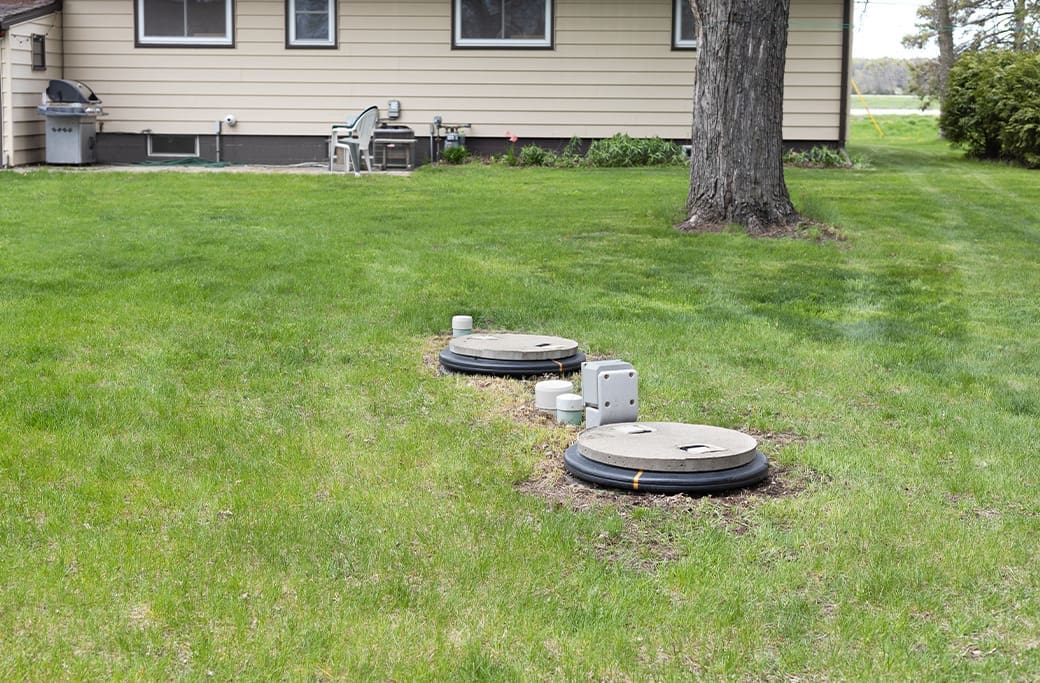
One of the biggest adjustments for buyers moving from cities or established suburbs to rural properties is that the home may not be connected to municipal water and sewer systems.
Instead, the property may rely on:
-
- A private septic system
- A private well
- A shared well
- Other private utility arrangements
These systems aren’t necessarily a reason to avoid a property. They simply require a different type of due diligence.
Septic Systems
A septic system should be inspected during the due-diligence period. Buyers should understand the location and condition of the system, available records, the drain field, and any potential repair or replacement concerns.
Private Wells
For homes with private wells, buyers should investigate the well’s condition, water quality, capacity, and available records. A dedicated water test can provide important information about the quality of the water you’re purchasing with the property.
What to look for: Don’t assume that because the toilets flush and the water comes out of the faucet, everything is functioning properly. Septic and well systems are largely underground and can have problems that aren’t obvious during a showing.
Your Winston-Salem Home-Buying Due Diligence Checklist
Understanding the potential risks is only the first step. Before making an offer, you should also have a clear plan for what to investigate during the buying process. Our Winston-Salem home-buying checklist walks through the key things buyers should check, from the home’s major systems and roof to drainage, neighborhood conditions, HOA rules, and property-specific concerns.
Before purchasing a home in Winston-Salem or the surrounding Piedmont Triad, consider investigating:
-
- Location: What is around the property now?
- Future development: What could change nearby?
- Roads: Are there current or planned transportation projects?
- Noise: What does the property sound like at different times of day?
- Flood risk: What do multiple flood-risk sources show?
- Drainage: Does water appear to move toward or away from the home?
- Crawlspace: Are there signs of moisture, pests, or structural concerns?
- Roof: How old is it and what documentation exists?
- Major systems: How old are the HVAC, plumbing, electrical, and other major components?
- Basement: Is it truly usable living space or simply unfinished storage?
- HOA: What are the restrictions, fees, assessments, and current issues?
- Solar: Is the system owned, financed, or leased?
- Septic: Has the system been inspected?
- Well: Has the water been tested and has the well been evaluated?
- Insurance: Can you obtain the coverage you need at a cost that fits your budget?
The goal isn’t to find a home with absolutely no potential issues. Every home has something. The goal is to understand those issues before they become surprises. A knowledgeable local agent can help you identify questions to investigate, connect you with appropriate professionals, and understand what you’re seeing before you move forward.
The Best Home Isn’t Always the One That Looks Best
Buying a home is about much more than falling in love with the kitchen, the floor plan, or the backyard. The best property for you is one where you understand the advantages, the limitations, the potential risks, and the costs that may come with ownership.
That’s especially important in a market like Winston-Salem, where buyers can encounter everything from newer suburban construction to older homes, rural properties, homes with private wells and septic systems, and properties affected by changing transportation corridors.
A thorough due-diligence process gives you the opportunity to ask better questions and make a decision based on the complete picture, not just what you see during a showing.
If you’re buying a home in Winston-Salem or anywhere in the Piedmont Triad, The Ginther Group can help you understand the questions worth asking and the issues worth investigating before you commit to a property.
Thinking about buying a home in Winston-Salem? Contact The Ginther Group to learn more about working with a local real estate team that understands the market and the details that can matter after you get the keys.