

Buying a home is an exciting milestone, but stepping into the market without a clear financial plan can quickly turn that excitement into stress. Before touring open houses, ask yourself one vital question: what is your true home affordability? Knowing your limits ensures you shop within your means, avoiding the disappointment of falling in love with a property you cannot finance.
Understanding your numbers gives you a competitive edge. When you know your exact mortgage budget, you can act confidently and quickly when the right home becomes available. It also helps set realistic expectations for the type of property you can secure in today’s market.
For a complete overview of the buying process, check out our Winston-Salem home buyer guide. Keep reading to learn how to calculate your budget and navigate the average home price Winston-Salem currently offers.
Understanding Home Affordability in Winston-Salem

Home affordability is basically how much house you can afford to pay each month without stretching yourself too thin. Lenders take a close look at 3 key factors to work out this number: your take-home income, your current monthly debts, and your credit score. A top-notch credit score will help you secure lower interest rates, which means you’ll have more buying power.
However, the price you can afford also depends on external factors like the type of property and the neighborhood you choose. A sprawling single family home on a big lot is going to need a different financial strategy than a low-maintenance townhouse, for example.
Then there are local market dynamics to think about too. The median home price in Winston-Salem can change based on how many properties are on the market and how many buyers are out there. By keeping an eye on local median prices, you can get a better idea of what’s going on in the Triad real estate market and work out if your home affordability matches the homes you’re looking at.
How to Calculate Your Mortgage Budget
Figuring out your ideal price range requires some math,. Breaking it down into 3 simple steps makes it a whole lot easier to understand how much you can afford.
Step 1 – Assess Your Income and Expenses
Start by working out your total monthly take-home income. Then, list out all your fixed monthly expenses, like car loans, student loans, credit card payments, and the minimums. Don’t forget to include your discretionary spending, like groceries, entertainment and savings contributions. Subtract those expenses from your take-home income to get a rough idea of how much cash you have available for housing.
Step 2 – Figure Out Your Debt-to-Income Ratio (DTI)
Your debt-to-income ratio (DTI) is a super important number that lenders use to decide whether to approve your mortgage. It’s the percentage of your gross monthly income that goes on paying debts. To work out your DIT, divide your total monthly debt payments by your gross monthly income. Most lenders like a DTI of 36% or under, but some loan programs will let you get away with a bit more. Keeping your DIT low will make it easier to get a good loan and boosts your overall home affordability.
Step 3 – Estimate Your Monthly Mortgage Payment
A mortgage is made up of four main parts : Principal, Interest, Taxes, and Insurance. The principal is the actual amount you borrowed, while interest is the cost of borrowing that money. You also need to factor in property taxes and homeowners insurance. Using our online mortgage calculator can help you get an idea of what these costs will look like based on current interest rates. Enter the average home price in Winston-Salem and it will give you a pretty realistic view of your potential monthly obligation. This will make sure your final mortgage budget is spot on.
Don’t Forget About All the Hidden Costs of Buying a Home
Lots of people just focus on the list price of a property, but buying a home involves a whole bunch of costs that can blow your budget.
Before the keys are handed over, you’ll need to cover closing costs, which are usually between 2% and 5% of the total loan amount. These cover things like lender fees, title searches, and appraisal services. You also need to pay for a thorough home inspection to spot any structural issues before you finalize the sale.
Once you move in, the financial responsibilities just keep on coming. If you buy a property in a planned community, you’ll need to factor in monthly or annual Homeowners Association fees. Routine maintenance, emergency repairs, and lawn care will all be on your plate, so you need to be ready for that. Factoring in all the items that will cost money down the line is important. Check out the hidden costs of buying a home so you can get prepared for homeownership.
How Your Neighborhood Affects Your Budget

Home in Pfafftown
Location really does matter. The specific area you choose in the Triad will make a big difference as to how far your cash goes.
For example, neighborhoods closer to downtown, like the prestigious Buena Vista or the popular Ardmore, tend to be more expensive due to their proximity to shopping, dining, and entertainment. While both offer charm and convenience, areas like Buena Vista command higher prices for their luxury appeal, whereas Ardmore provides a slightly more attainable, walkable lifestyle. These factors contribute to strong long-term value, attracting buyers who prioritize accessibility.
On the other hand, looking a bit further out in areas like Clemmons, Pfafftown, or Kernersville may allow you to find a larger property for a similar price, or even less. These areas can offer more space and value, making them attractive options for buyers focused on maximizing their budget.
When comparing locations, it’s important to consider more than just the purchase price. Think about your daily commute, the quality of nearby schools, and the long-term growth potential of the area. Choosing the cheapest home with a long commute may end up costing more over time in gas, time, and lost convenience.
|
Neighborhood Area |
Commute to Downtown |
Average Price Range |
|---|---|---|
|
< 5 minutes |
Premium / Higher |
|
|
Clemmons |
15 – 20 minutes |
Moderate to High |
|
Kernersville |
15 – 25 minutes |
Moderate / Accessible |
|
Pfafftown |
20 – 25 minutes |
Moderate |
It all comes down to finding the perfect balance between the lifestyle you want and the geographic price differences in a way that still lets you keep up with the mortgage.
Tips for Staying Within Your Budget

Sticking to your budget needs discipline and a bit of self-control. Start by making a strict list of your absolute must-haves vs the nice to haves. You might need three bedrooms and a private yard, but a fully decked out chef’s kitchen is just a nice to have – something that can wait. By prioritizing the essentials, you stop getting caught out by over-paying for flashy upgrades that, in reality, you can easily live without.
Don’t be too hasty with your home search. Look at some older properties or ones that need a bit of TLC you can renovate to suit your style and save yourself a small fortune upfront. If you can wait, you might even be able to negotiate a better deal, especially if the seller is in a hurry to move out. For more advice on how to navigate the market on a budget, go back to our first-time buyer guide. It has a wealth of useful information.
Next Steps After Calculating Your Budget
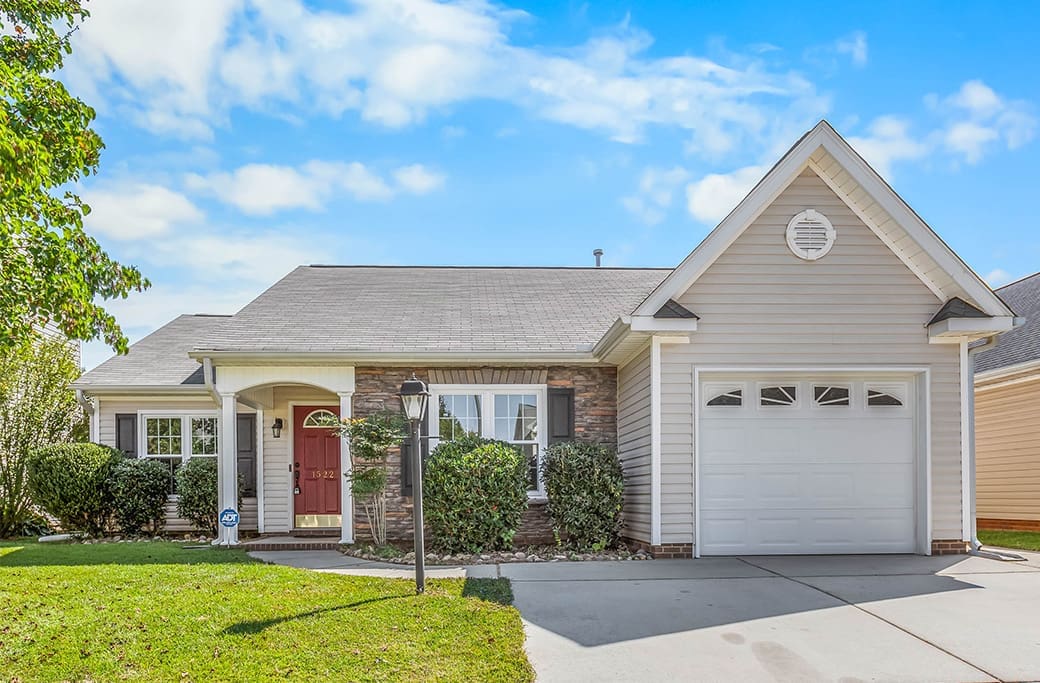
Once you know exactly how much you can afford, it’s time to get some professional advice. Your next step is to get in touch with a local mortgage lender to get a pre-approval letter. This document proves to sellers that you’re a serious and qualified buyer, not just some time-waster with a vague idea of what you can afford.
At the same time, you should also get in contact with a trusted real estate agent. Our team at The Ginther Group uses your budget to narrow down the options and show you some genuinely viable properties that fit your needs. Remember, figuring out your budget is the very first step to making a successful purchase. Take a look at our complete Winston-Salem home buyer guide to see how we can guide you from pre-approval to the keys being handed over.
How Much House Can You Afford in Winston-Salem?
Knowing your budget before you start house hunting is a lifesaver. It stops you from getting in over your head and prevents the disappointment that comes with it. By carefully weighing up your income, calculating your debt to income ratio, and taking into account any hidden costs, you get a solid idea of how much you can afford. Use this hard number to guide your home search, rather than letting your emotions get the better of you and dictate how much you’re prepared to spend.
The Winston-Salem real estate market is full of opportunities for buyers who are prepared. Contact The Ginther Group today and we’ll be happy to guide you through the process. We’re a dedicated team who are always on hand to help you navigate the market and find the perfect home that fits your budget perfectly.


