
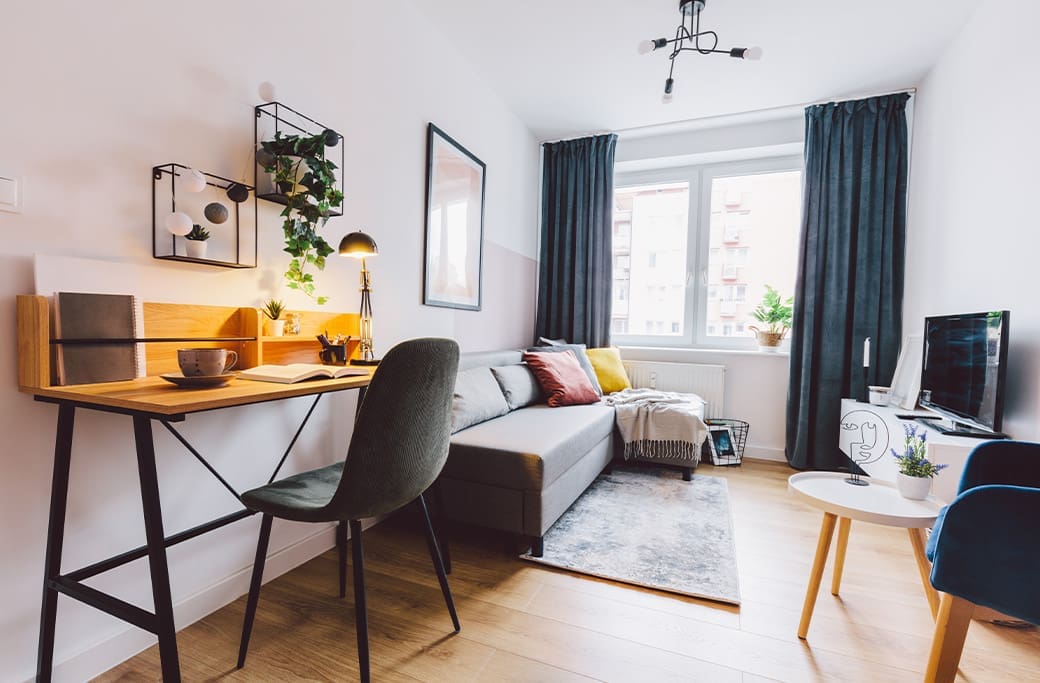
Quick Answer: Before putting your Winston-Salem home on the market, start with a walkthrough of the property and decide what actually needs attention. Focus on visible maintenance issues, decluttering, cleaning, curb appeal and presentation before assuming you need expensive renovations. A local listing agent can help you prioritize the work that makes sense for your home, timeline and selling goals.
One of the biggest mistakes homeowners can make when preparing to sell is starting projects before they have a clear plan.
That dated bathroom may bother you. The living room may need paint. You may be wondering whether replacing flooring, updating the kitchen or improving the landscaping would make your home more appealing to buyers. However, not every improvement needs to be made before a home goes on the market.
At The Ginther Group, the seller process begins with a consultation, preferably at the home, that includes a walkthrough and discussion of the property’s condition, the seller’s goals and the options available. From there, you and your agent can develop a plan for preparing, pricing and marketing the home.
That means your first step may not be picking up a paintbrush. It may be deciding what is actually worth doing before you sell.
Start With a Walkthrough Before You Start Spending

After living in a home for years, it can be difficult to see it the way a buyer will. You may barely notice a dripping faucet, scuffed wall or loose cabinet handle. Buyers walking through the property for the first time may see those details immediately.
On the other hand, sellers can also become overly focused on features they personally consider dated and spend money changing something that did not need to be changed. This is one reason it can be helpful to involve your Winston-Salem listing agent early.
During The Ginther Group’s seller consultation, your agent can walk through the home with you, discuss its condition, learn your ideal outcome and help create a plan for the sale.
Depending on the property and your goals, that plan might involve preparing the home with relatively simple changes, considering larger improvements or deciding that selling the home largely as-is makes more sense. The goal isn’t to make your house perfect. It’s to prepare it appropriately for the way you plan to sell it.
Decide What to Fix Before Selling Your Home
Minor maintenance items are a good place to start because several small visible problems can make a home feel less cared for than it actually is.
Walk through the property and look for things such as:
-
- Dripping faucets or running toilets
- Loose cabinet or door hardware
- Damaged caulk
- Chipped or noticeably scuffed paint
- Burned-out light bulbs
- Sticky doors or windows
- Loose handrails
- Damaged screens
- Other obvious deferred maintenance
This doesn’t mean every imperfection must be repaired. A repair that makes sense for one Winston-Salem home may be unnecessary for another. The property’s condition, price range, likely buyers, competition and your own timeline can all affect what deserves attention.
If you’re unsure, ask your agent to help separate the must-do items from the nice-to-do items before hiring contractors or buying materials.
Should You Renovate Your Home Before Selling?
Not necessarily. A common misconception is that an older kitchen or bathroom automatically needs to be remodeled before a home can be listed. A major renovation can require significant money and time, and you shouldn’t assume that every dollar spent will come back to you when the property sells.
Instead, consider the larger selling strategy. Would an improvement address a condition problem? Would it materially improve how the home presents? Does the work fit your timeline and budget? Or could the property be positioned appropriately without taking on a major project?
Those are better questions than simply asking whether an update would make the house look nicer.
For sellers whose homes could benefit from more substantial preparation, The Ginther Group also offers Renovate Now, Pay at Closing. The program is designed to assist with planning, updating and renovating a property before it goes on the market. A specialized agent develops a customized preparation plan and coordinates the projects. Renovation reimbursement and a concierge fee are paid at closing.
The program won’t be the right solution for every seller or every property. That’s another reason to evaluate your options before committing to major work.
Improve the First Impression Outside
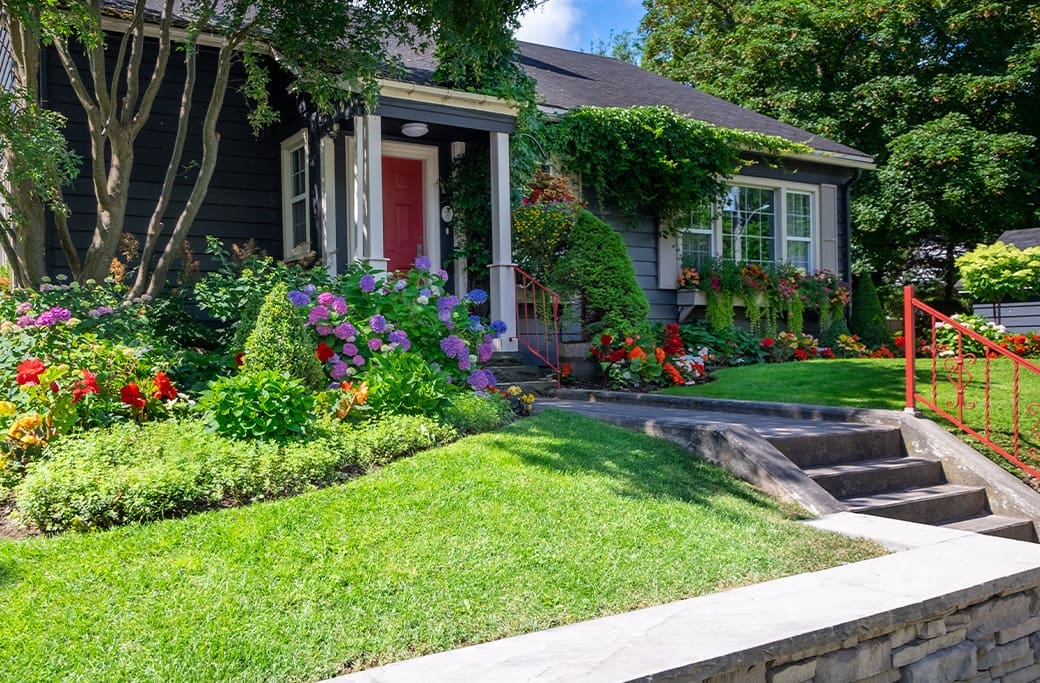
Preparing the inside while ignoring the exterior can leave the job half finished.
Buyers begin evaluating a property before they walk through the front door. Fortunately, improving curb appeal doesn’t necessarily mean undertaking a major landscaping project.
Depending on your property and the season, preparation could include:
-
- Mowing and edging the lawn
- Trimming overgrown shrubs
- Removing weeds and yard debris
- Adding fresh mulch where appropriate
- Cleaning walkways, porches or siding
- Cleaning gutters
- Touching up a worn front door
- Replacing damaged or difficult-to-read house numbers
- Checking exterior lighting
Stand across the street and look at your house as though you have never seen it before. Then walk the same path a buyer would take from the driveway to the front door.
What catches your attention? Those details can help you decide where a small amount of effort may noticeably improve the home’s presentation.
Declutter Without Making the Home Feel Empty

Decluttering isn’t about stripping your house of personality. It’s about making it easier for buyers to see the property itself.
Start with the places that tend to accumulate the most belongings: kitchen counters, bathroom counters, closets, entryways, bookshelves and storage areas. If a room contains more furniture than it needs, consider removing a piece or two so buyers can better understand its size and layout.
Closets deserve attention too. Buyers may open them during a showing, and an overfilled closet can make storage feel limited. You can also begin packing personal items you won’t need before your move. This has the added benefit of getting some of your moving work done early.
Deep Clean the Areas Buyers Notice
Once you’ve reduced the clutter, cleaning becomes much easier.
Pay particular attention to areas that are easy to overlook during routine cleaning, including:
-
- Baseboards and trim
- Windows and window tracks
- Ceiling fans and light fixtures
- Kitchen appliances
- Cabinet fronts
- Bathroom tile and grout
- Carpets and flooring
- Mirrors and glass
- Air vents
- Pet areas
Odors matter as well. Empty trash, clean litter boxes and pet bedding, and avoid trying to mask smells with strong air fresheners. A clean, neutral-smelling home is generally preferable to one filled with heavy fragrance. If the amount of cleaning is unrealistic for your schedule, this may be one of the preparation tasks worth hiring out.
Should You Paint Before Selling?
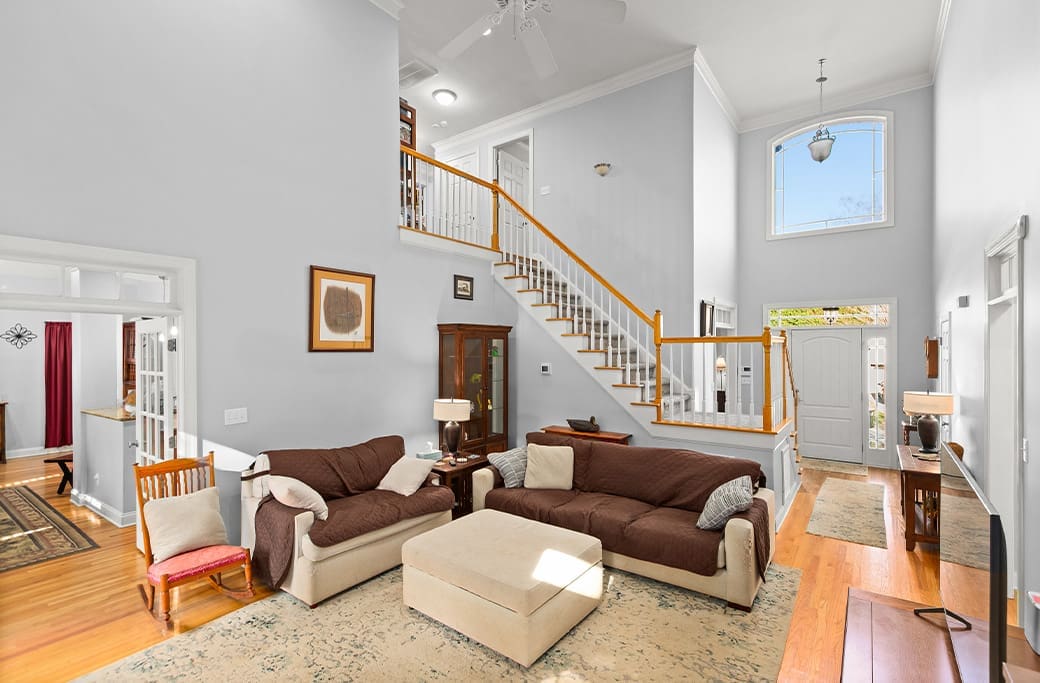
Sometimes. But you don’t necessarily need to repaint the entire house. Paint deserves consideration when walls are noticeably damaged, heavily scuffed or dominated by colors that distract from the space. In those situations, a simpler, more neutral presentation may help buyers focus on the home’s features.
If the existing paint is clean and in good condition, repainting simply because you’re selling may not be necessary. This is another decision worth making as part of the overall preparation plan rather than automatically adding it to your pre-listing expenses.
Stage the Home to Show How the Space Works
Home preparation and home staging overlap, but they aren’t exactly the same thing. Preparation deals with the broader condition and readiness of the property. Staging is more specifically about how the rooms are presented to buyers.
You don’t necessarily need professional staging. Sometimes the most useful changes are simple: repositioning furniture, removing oversized pieces, opening curtains, reducing personal décor and giving each room an obvious purpose.
For a deeper look at presentation, see our home staging guide.
The goal isn’t to make the house look like no one lives there. It’s to make it easier for a prospective buyer to imagine how they could live there.
Get the Home Ready for Professional Photography
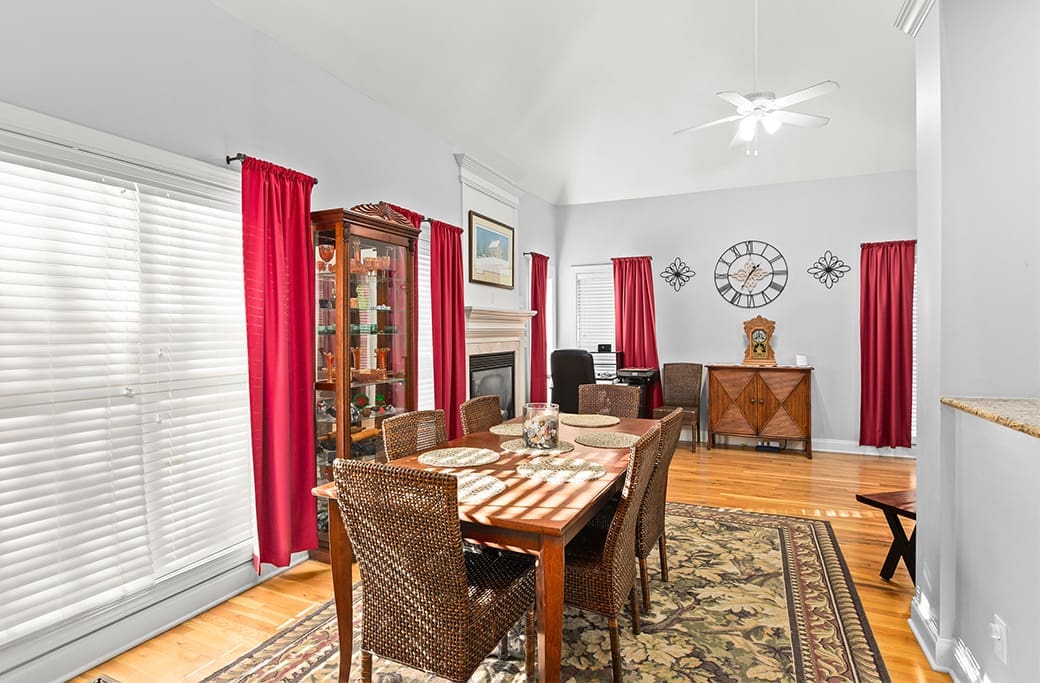
Your preparation work should eventually lead to an important milestone: listing photography.
The Ginther Group’s current seller process calls for photos and measurements to be scheduled with the listing coordinator when the home is ready. Sellers are also asked to clear unnecessary personal items as part of pre-listing preparation.
Before photography, do one final visual sweep. Clear unnecessary items from counters and surfaces. Straighten bedding and pillows. Put away pet supplies where practical. Remove distracting items from the refrigerator. Open blinds or curtains as appropriate, and make sure burned-out bulbs have been replaced. Don’t forget the exterior. Cars, trash cans, hoses and other temporary items can distract from exterior photographs even when the landscaping itself looks great.
Professional photography is part of a larger marketing strategy, so getting the home ready for photos is not simply about making individual rooms look attractive. It’s about preparing the property to be introduced to buyers.
Plan for Showings Before the Listing Goes Live
A beautifully prepared home can quickly become difficult to show if there isn’t a realistic plan for keeping it ready.
Before listing, think through what will happen when a showing is requested.
Where will pets go? How quickly can you clear the kitchen? Where will medications and valuables be stored? Can everyone in the household follow the same basic routine?
A simple pre-showing routine might include making beds, clearing dishes and counters, opening blinds, turning on appropriate lights, securing pets and taking out trash when needed. The easier the routine is to maintain, the less stressful showings may feel once your home is actively on the market.
Preparation, Pricing and Marketing Should Work Together
Preparing a home is only one part of getting it ready for market.
The condition of the property also contributes to the larger conversation about pricing and positioning. Your agent can evaluate the home alongside comparable properties and current competition when developing a pricing strategy.
For the complete process, see How to Sell Your Home in Winston-Salem: The Complete Guide.
If you’re wondering what happens after the property goes live, our guide to How Long Does It Take to Sell a House in Winston-Salem? explains the factors that can affect the selling timeline.
Preparation should support the overall listing strategy, not operate separately from it.
Talk to an Agent Before You Spend Thousands Preparing to Sell
You don’t have to renovate every dated room, stage every space or make your home perfect before calling a real estate agent. In fact, calling your agent first can help you avoid spending time and money on projects that may not be necessary.
The Ginther Group’s seller consultation includes a walkthrough of the home, a discussion of its condition and your goals, and development of a plan for moving forward. That gives you an opportunity to decide what should be addressed, what can be left alone and whether larger-scale preparation makes sense for your particular sale.
Thinking about selling a home in Winston-Salem? Contact The Ginther Group to schedule a seller consultation and develop a preparation plan before you start making changes.
Frequently Asked Questions
[/fusion_title]


