

Quick Answer: In many cases, the first offer on your Winston-Salem home is actually one of the strongest offers you’ll receive, especially if your home is priced correctly and shows well. However, whether you should accept it depends on timing, market conditions, and how closely the offer aligns with your home’s true market value.
When your home hits the market, the first offer can feel unexpected. Some sellers assume they should wait for “better” offers to follow. Others worry the first buyer is trying to take advantage of a new listing.
The reality is more nuanced, especially in a market like Winston-Salem, where properly priced homes often generate the most interest in the first 7–14 days.
If you’re currently preparing to list or just starting the process, this decision ties directly into the early phase of your sale. You can learn more about that stage in our full guide on How to Sell Your Home in Winston-Salem.
Why The First Offer Matters So Much
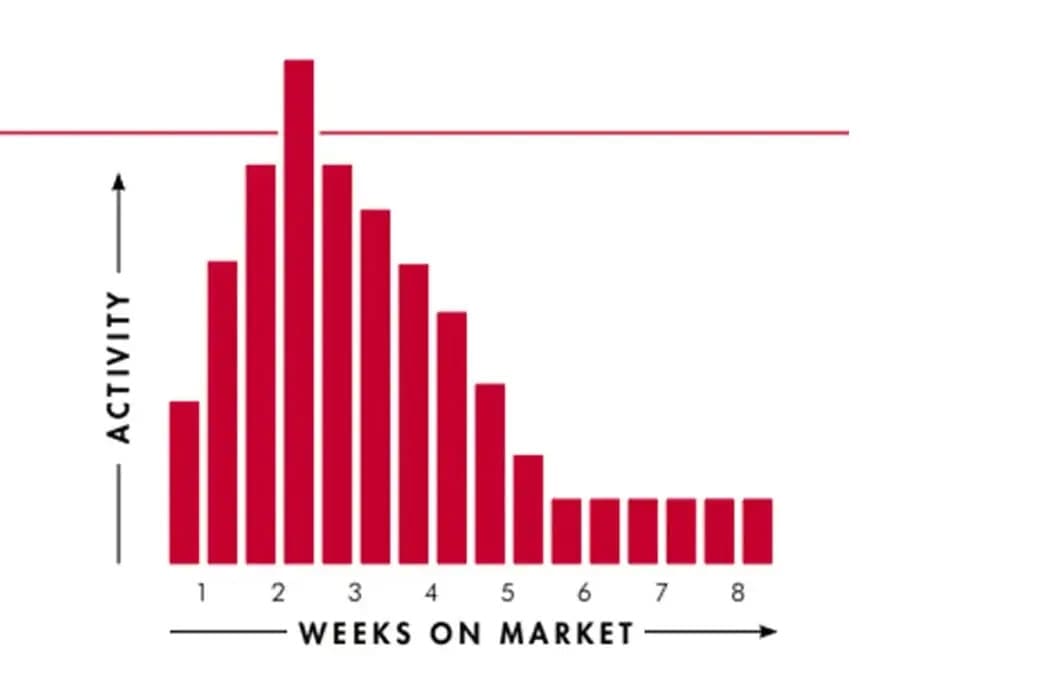
The first 30 days on the market are the most important window in the entire selling process. This is when your listing is “fresh,” meaning it gets the most attention from active buyers, agents, and online searches.
During this period:
-
- Your listing gets maximum exposure on MLS and home search platforms
- Buyers who have been waiting for new inventory are watching closely
- Competing homes haven’t yet had time to adjust pricing strategy
- Your property has the strongest perceived value simply because it is new
This is also when your strongest buyer pool shows up first—not last. So, when the first offer arrives, it is often coming from someone who has been actively searching and is ready to make a decision quickly.
When The First Offer Is A Strong Signal To Accept
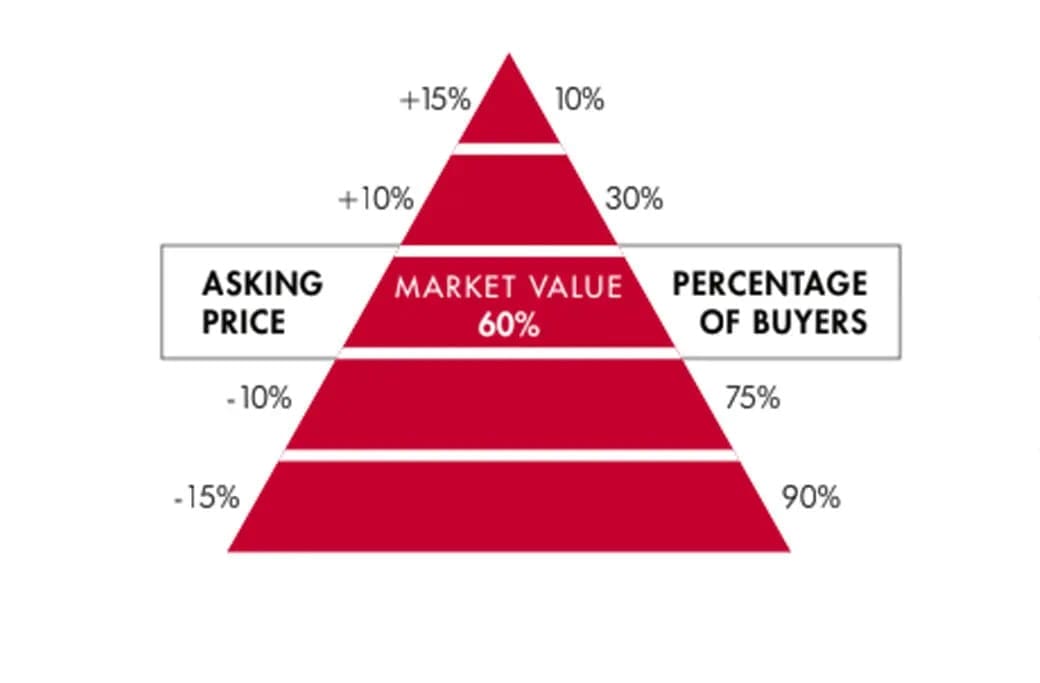
More buyers purchase their properties at market value than above market value. If you price your property at Market Value, you are exposing it to a much greater percentage of prospective buyers and you are increasing your opportunity for sale.
In Winston-Salem, the first offer is often worth serious consideration if:
1. Your Home Is Priced Correctly From The Start
If the listing price reflects true market value, the first offer is usually very close to fair market range.
2. The Offer Is Near Asking Price
A strong first offer typically falls within 1–3% of list price in balanced conditions.
3. Showings Were Strong Immediately
If buyers were quick to schedule tours and show strong interest, demand may already be peaking.
4. You’re In A Competitive Or Shifting Market
In faster-moving conditions, waiting can actually reduce leverage rather than improve it.
When You May Want To Wait
Not every first offer is the right offer. There are situations where patience can pay off:
1. You’ve Had Limited Exposure Time
If the offer comes extremely early (same day or next day), you may not have captured full market response yet.
2. The Offer Is Significantly Below Market Value
This can indicate the buyer is testing the price rather than responding to demand.
3. You Expect Stronger Weekend Traffic
In many markets, weekend showings produce additional competitive offers.
4. Your Home Is Underpriced and Generating Multiple Early Inquiries
In this case, waiting briefly may create a multiple-offer situation.
Biggest Mistake Sellers Make

One of the most common seller regrets is rejecting a strong first offer, only to receive weaker offers later. Working with an experienced local team can influence negotiation outcomes. Learn more in our guide to choosing the best realtor in Winston-Salem.
This often happens because:
-
- Interest is highest when the home is new
- Price reductions signal urgency to buyers
- Days on market begin to accumulate
- Buyers assume negotiation leverage increases over time
In short: the longer a home sits, the more negotiating power shifts away from the seller.
How Professionals Evaluate a First Offer
At The Ginther Group, we don’t evaluate the first offer in isolation. We look at:
-
- Current buyer activity and showing feedback
- Comparable recent sales (not just active listings)
- Pricing position relative to demand
- Whether momentum is building or slowing
- Likelihood of stronger competing offers emerging
The goal isn’t just to accept or reject. It’s to determine whether the current offer reflects peak market interest or just early noise.
So… Should You Accept the First Offer?
The honest answer: sometimes yes, sometimes no—but it should always be seriously evaluated.
If your home is priced correctly and the offer is strong relative to market data, the first offer is often closer to your best outcome than sellers realize.
If not, strategic patience in the first 30 days can still be worthwhile—but only if backed by real showing activity and market feedback.
Should You Accept the First Offer on Your House in Winston-Salem?
The first offer isn’t just a number, it’s a signal. It tells you how the market is responding to your pricing, presentation, and timing. In many Winston-Salem situations, it can be one of the strongest signals you’ll receive, but it should always be evaluated in context, not emotion. For a full breakdown of pricing strategy, timing, and what happens from listing to closing, explore our complete How to Sell Your Home in Winston-Salem guide.
If you’re unsure whether an offer is strong, it’s worth getting a second set of eyes on it. The Ginther Group can help you break down the offer, compare it to current market activity, and decide whether it truly aligns with your home’s value and your goals.
Frequently Asked Questions
Sometimes, yes. In Winston-Salem, homes that are priced correctly often receive their strongest offers within the first two weeks on the market because buyer interest is highest when a listing is new. However, the right decision depends on pricing, demand, and market activity.
There is no universal timeline. Some sellers wait a few days to allow additional showings, especially if interest is high. Others accept quickly if the offer is strong and aligned with market value. Your real estate agent should help evaluate timing based on buyer activity.
Not always. A low first offer can still open the door to negotiation. In some cases, countering instead of rejecting helps move the buyer closer to acceptable terms.
If multiple offers come in, you may have leverage to negotiate price, closing terms, or contingencies. However, the highest offer is not always the strongest offer—financing strength and flexibility matter too.
Correct pricing comes from analyzing recent comparable home sales, neighborhood trends, condition, and buyer demand. Overpricing can reduce early interest, while accurate pricing often attracts stronger offers faster.


