Selling your home in Winston-Salem is more than just putting up a “For Sale” sign and waiting for buyers. Once you receive an offer, the due diligence period in North Carolina real estate becomes a major part of the process. This phase can make or break your sale.
It’s normal to feel overwhelmed by the due diligence process. Buyers will inspect everything from the roof and HVAC system to plumbing and structural integrity, and they may request repairs or credits. Understanding what to expect allows you to stay one step ahead, prevent delays, and keep your sale on track toward closing.
We recommend checking out our Complete Guide on How to Sell Your Home in Winston-Salem for a full overview of the selling process. Focusing on due diligence and preparing your home ahead of time can minimize stress, avoid last-minute renegotiations, and help you sell your Winston-Salem home with confidence.
What Exactly is the Due Diligence Period in North Carolina
In simple terms, the due diligence period is a specific time frame that’s agreed upon in your purchase contract. It is an opportunity for the buyer to take a closer look at the condition and suitability of your property before the sale is finally finalized.
Now, in NC, things are done a little differently compared with other states. The buyer pays a due diligence fee to you, which gives them the chance to do their research on your home. If the buyer then goes ahead and buys the property, this fee is usually credited towards the purchase price at the closing. However, the buyer does have the right to back out for any reason at all (and no reason at all) if they choose during this time frame.
Since both the duration and the fee amount are totally up for negotiation between the buyer and the seller, it is important to have a good real estate agent on your side. They’ll be able to help you get a deal that’s in your best interest.
What Happens Right After You Accept an Offer
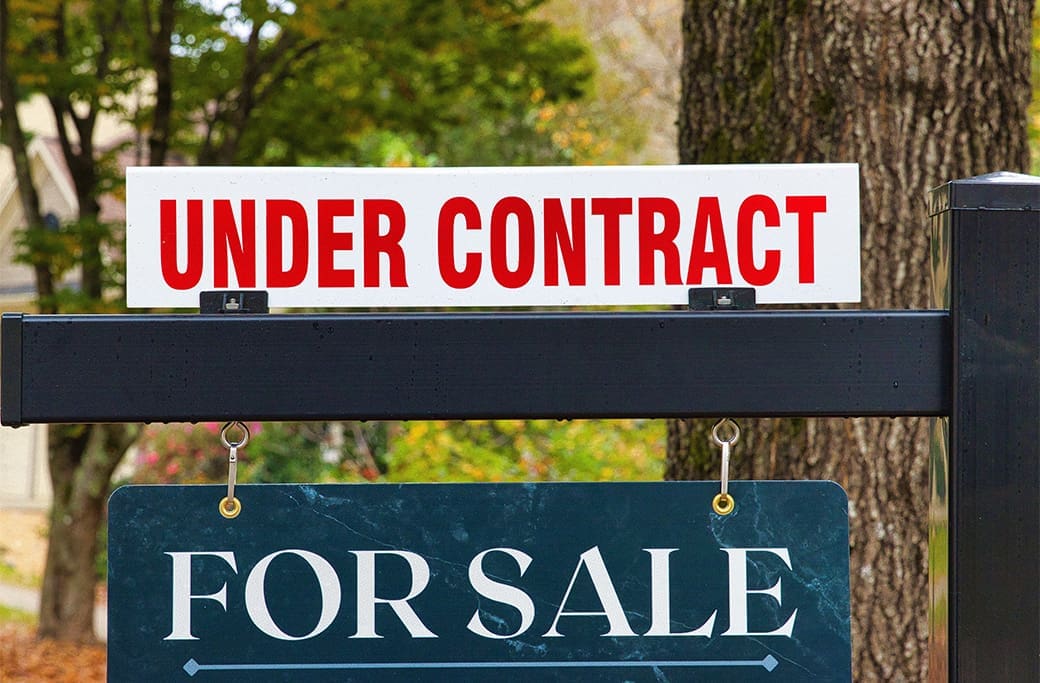
When you finally accept an offer on your home, the buyer will be sending you the due diligence fee as agreed. At this point, your home officially goes ‘Under Contract.’
As the seller, your role then changes from trying to get a good price to being the support team. You need to provide any relevant property disclosures, and make sure the buyer has access to the home. The buyer will bring in various professionals to check out the property. You should use this time to start preparing for these visits by keeping the house clean, accessible, and well-lit.
What do You Need to do During the Due Diligence Period

During this time the buyer is going to be doing all they can to get as much info as possible about your home. This process usually breaks down into three main areas.
Home Inspections
In most cases the buyer will bring in a licensed inspector to check out the major systems of the house. This includes the roof, the HVAC system, the plumbing, electrical, and the foundation. The resulting report highlights any safety concerns or structural defects that need to be addressed, which then gives the buyer a chance to open the door for negotiations on home inspection.
Review of Property Information
While the buyer is sorting through the physical condition of the house, they’re also going to be looking at important documents. They’ll be looking at HOA docs, land surveys, and title information. They might also ask for recent bills and tax records to get a better idea of the real cost of living in your home.
Requests for Repairs or Credits
After reviewing all the reports, the buyer can then put in a formal request for repairs or financial credits. If they find any major safety or structural issues, they’ll ask you to sort them before closing, or they’ll ask you to give them a credit so they can do the repairs after they take ownership.
It’s a lot easier as the seller if you get any known maintenance issues sorted out before you put your home on the market. Fixing that leaky tap or damaged roof before you list will save you a whole heap of time and grief in the long run.
What’s the Typical Timeline of Events in the Selling Process
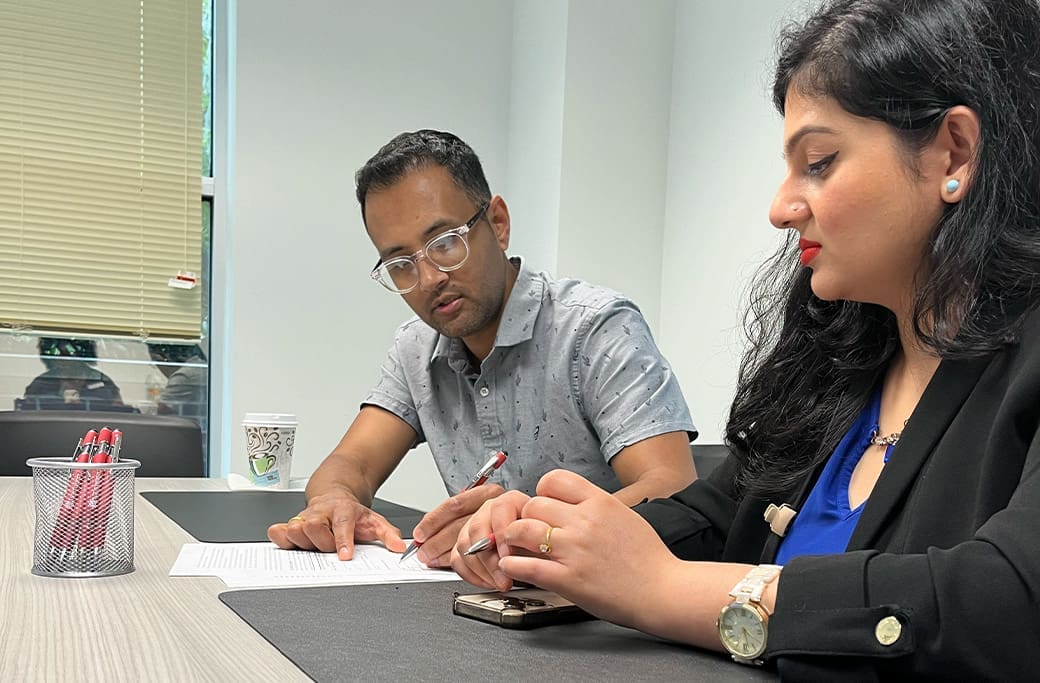
Understanding the timeline is really key in tracking the progress of your sale. While every transaction is a little bit different, most do follow a fairly standard sequence of events.
Inspection Period
The inspection period in NC usually lasts anywhere from 7 to 14 days. This is entirely negotiable in the purchase contract. During this time the buyer completes all their inspections and submits any repair requests.
Financing Contingency Review
At the same time, the buyers lender is working to finalize the mortgage. They get an appraisal to check the value of the home, and review the buyers financial documents too. Final loan approval must align perfectly with the closing date outlined in your contract.
Attorney Review
In North Carolina, real estate attorneys are the ones who handle the closing. The closing attorney reviews the contract, checks the title to make sure there are no liens, and prepares all the necessary legal documents to get everything sorted out.
Closing
Closing day marks the end of the long road. The closing attorney reviews the contract, checks the title for any liens, and prepares all necessary legal documents. The buyer finalizes their financing, and both parties sign all the necessary documentation. The closing attorney ensures the entire transaction complies with state laws.
Why Being Pro-Active Seller Preparation is a Key To Success
Preparation is really the secret to getting through a real estate transaction in one piece. One highly effective strategy is conducting a pre-listing inspection. This gives you a good idea of what you’re really dealing with and helps you identify hidden issues early.
Knowing your home’s exact condition allows you to set a realistic, data-driven price. This also reduces the buyer’s negotiation leverage, as they’ll have fewer reasons to ask for significant price cuts later when you’ve already disclosed or repaired any issues.
In the end, being prepared means you avoid having your sale cancelled at the last minute and it stops the due diligence period dragging on for what feels like an eternity. It gives everyone involved greater confidence in the transaction and makes the entire selling process much less stressful.
What Is the Due Diligence Period in North Carolina Real Estate?
Understanding the ins and outs of the due diligence period is essential when you’re trying to protect your investment and avoid any hiccups along the way. You do not have to navigate this complex process alone. Working with an experienced, dedicated team makes all the difference when selling your property.
Ready to sell your Winston-Salem home with a bit of confidence? Give The Ginther Group a call at 1-336-283-8689 or contact us online. Stop by our office at 1100 S Stratford Rd Building C Suite 300, Winston-Salem, NC 27103 to meet with one of our top-notch agents.