

Selling a home doesn’t end when you accept an offer. In fact, that’s when the closing process in North Carolina real estate truly begins. Understanding what happens next is vital to ensuring a smooth transaction. From timelines and paperwork to seller closing costs in NC, knowing what to expect can help you avoid delays and costly surprises.
If you’re looking for a full breakdown of the process, start with our Winston-Salem home selling guide, which walks you through every step from listing to closing. This article focuses specifically on what happens after you accept an offer.
If you’re selling a home in Winston-Salem, navigating the period between contract and closing can feel overwhelming without the right guidance. By understanding the Winston-Salem home selling process, you can move forward with confidence and protect your investment. At The Ginther Group, we guide sellers through every step to ensure a seamless and successful closing.
What Happens After You Accept an Offer?

It’s when you move from an active listing into the pending contract phase that the clock really starts ticking. Once both parties have signed on the dotted line, the buyer needs to submit their initial financial deposits. In North Carolina, this usually involves two payments: the earnest money deposit and the due diligence fee. Your real estate agent will be on hand to make sure you know what to expect and when.
The earnest money deposit shows the buyer is serious about moving forward. It gets locked away in an escrow account until the deal is closed. The due diligence fee is a bit different, though. You get to keep it as a thank you from the buyer for taking your home off the market. Sorting all this out right from the start helps keep everyone on the same page. Your agent will lay out all the timelines, so you know exactly when documents are due and when the inspectors will be showing up. This proactive approach prevents small delays from turning into major problems.
Understanding Due Diligence in NC

Due diligence is a specific period of time in the North Carolina real estate process that lets the buyer get a good look at the property. During these weeks, buyers conduct their home inspections, checking out the plumbing, the HVAC system, and the roof . Since the buyer has the right to back out of the deal at this point if they find something they don’t like, they pay a non-refundable due diligence fee to the seller for taking the home off the market.
As the seller, your main job during this phase is to make sure the property is available for these inspections. You’ll need to let different people in at various times – inspectors, appraisers, the buyer’s agent. This is all essential to keep the deal together. If the buyer finds a problem, they’ll likely ask for some repairs or financial credits. Knowing how this all works gives you a real edge in negotiations and helps you anticipate what the buyer will be coming at you with.
Home Inspection and Negotiation Phase

The buyer will typically bring in a team of inspectors to give the place a good once over. This means structural integrity, the heating and plumbing systems, and the roof, and even if your home is in great condition, it’s pretty much guaranteed they’ll find something to note in their report.
The buyer then reviews this report and a few things can happen. They might say ‘thanks, we’ll take it as it is’, or they might want to ask for repairs or credits. This is where having an experienced agent makes a difference. At The Ginther Group, we evaluate which repairs are reasonable and which you should decline, helping you negotiate these requests in a way that protects your bottom line without losing a qualified buyer.
Appraisal and Financing Process
If the buyer isn’t paying cash, then their mortgage lender is going to want to get an appraisal done to confirm the home’s value. The appraiser does a visit to the property, compares it to what else is out there on the market, and comes up with a fair price. If the appraisal comes back saying the home is worth at or above the agreed price, then the financing process moves ahead as planned. However, if the appraisal comes in low, however, this creates a hurdle. The buyer might ask you to lower the price, or they’ll need to bring in some extra cash to cover the difference. Sometimes, it’s a case of finding a middle ground that works for all parties involved. A smart pricing strategy, which we emphasize from day one at The Ginther Group, greatly reduces the risk of appraisal gaps during this stage.
Seller Closing Costs in North Carolina
Homeowners often focus on the sale price, and forget that selling a home comes with its own set of expenses. To avoid any nasty surprises on closing day, you need to understand the seller closing costs in NC. We’re talking about things like the mortgage balance, any prepayment penalties, your real estate fee, and attorney fees too.
You should also be ready to pay any prorated property taxes for the time you owned the home, as well as any unpaid special assessments or transfer taxes. If you agreed to provide a home warranty or any other buyer concessions, then those costs come out of your final profit too. Planning for these expenses from the start helps you work out just how much you’ll end up with. By reviewing a net sheet with your agent early on, you can avoid any last-minute shocks on closing day.
Final Steps Before Closing Day
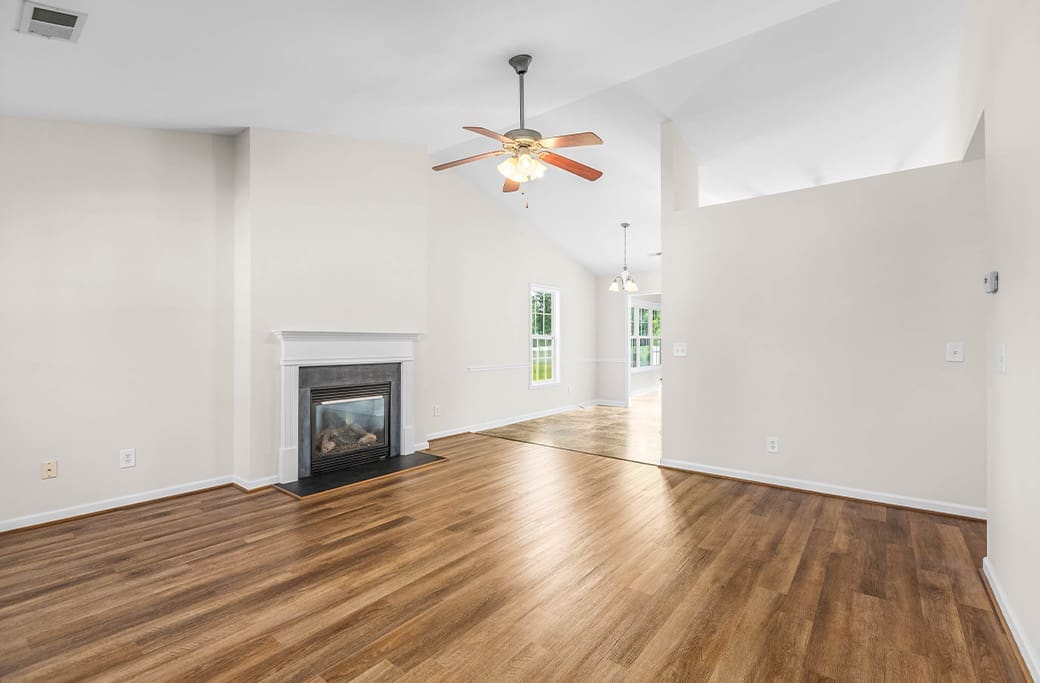
As the closing date starts to tick closer, there are a few very important tasks that need to be wrapped up to make sure the transfer of ownership goes smoothly and is legal. North Carolina, being an attorney state, means the closing attorney will be the one handling all the leg work like sorting out the paperwork, doing a title search, and clearing up any outstanding issues or liens on the property.
Meanwhile, the buyer will be coming over to do a final walkthrough. This usually happens just a day or two before the big day itself. The buyer will be checking over the house to make sure everything is in the state agreed upon, that all those repairs that were negotiated have been taken care of, and that you have all your personal belongings out of the property. All this time the closing attorney will be working behind the scenes, coordinating with your realtor to make sure the final settlement documents are all in order and that all the cash is in place, ready to go. You’ll also need to round up a few important items to hand over to the buyer, like house keys, garage door remotes.
What to Expect on Closing Day

The actual closing is when the sale of the house is all finalized and everything is made official. It’s also known as settlement, and this is when you get paid and the buyer gets the deed to your house. You’ll head to the closing attorney’s office to sign off on the final paperwork. Don’t forget to bring a valid government ID, all your house keys, garage door openers, and any spare keys for the mailbox.
The attorney will review the purchase contract, figure out what payments are owed, and sort out paying off your existing mortgage. They will also make sure the buyer’s title gets recorded at the courthouse. Once that deed is recorded, which is when the ownership officially changes hands, the attorney will sort it all out and cut the checks. You’ll get your pay out via wire transfer or a paper check. After it’s all done, remember to keep copies of all your closing documents and home improvement receipts for tax purposes.
Common Delays and How to Avoid Them
Even the best laid plans can run into a few hiccups along the way. One of the most common causes of delays is financing issues, like when the buyer’s loan approval takes a little longer than expected. Then there are the inspections and appraisals. If anything unexpected turns up, it can really hold things up, especially if unexpected major repairs are required. Title problems, such as unresolved liens or boundary disputes, can force the closing date to be pushed back while the attorney works to clear them.
Appraisal gaps are another issue that can cause problems. When the appraisal comes in lower than the sale price, it can cause all sorts of problems. Working with a professional helps you minimize these risks. The Ginther Group tracks all the deadlines, communicates nonstop with the buyer’s lender, and works directly with the closing attorney to keep everything on track. By anticipating any potential problems, we can help keep your deal on track and make sure you close on time.
From Listing to Closing: How to Sell a Home in North Carolina
Selling a home involves multiple detailed steps after accepting an offer. By understanding the closing process in NC, you can avoid a lot of stress and last minute financial surprises. From navigating the due diligence period to making sure you get your seller closing costs right, being prepared puts you in a strong position.
You don’t have to go it alone, though. Let our trusted Winston-Salem real estate team at The Ginther Group guide you through every phase of your home sale. With our proven strategies and deep knowledge of the local market, we help sellers navigate the closing process smoothly, avoid surprises, and maximize your sale price. Get in touch with The Ginther Group today for real estate guidance from listing to closing, and let us help you sell your home successfully and for the best price possible.


