

Buying a home is about finding the right balance of needs and want. However, for modern families, the definition of “need” has undergone a pretty radical shift. Not so long ago, square footage and curb appeal were the holy grail of home buying. Nowadays though, it’s all about finding a place that can keep up with your family’s changing needs.
Households grow and change and the needs of a family with a newborn are a world apart from those of a household with teenagers or kids heading off to college. Buying a new home every three to five years to keep up with these changes is both a real wallet-buster and an emotional rollercoaster. Buyers in the Winston-Salem and Triad areas are looking for homes that can adapt to the ups and downs of family life without forcing them to hop into a moving truck every year.
At The Ginther Group, we are seeing a real shift away from rigid room labels. Buyers aren’t just looking for a dining room or a den anymore; they are looking for spaces that can morph and change as the family grows. A home is a long-term investment and smart buyers are looking for layouts that will offer future-proof flexibility.
What “Growing with Your Family” Really Means in 2026

The idea of a “forever home” has taken on a whole new meaning. It’s not just about sticking with the same neighborhood for 30 years. It’s about a house that stays functional over that time. The pandemic has changed the way we view domestic space. We are no longer just sleeping and eating at home. We’re also working, exercising, learning, and hanging out there, too.
For buyers in 2026, “growing with your family” means finding a property that makes daily life a little bit easier. It’s about finding a home that can accommodate a hybrid work schedule today, a playroom for toddlers tomorrow, and potentially a suite for aging parents down the road later on. Buyers are prioritizing longevity. They want to avoid the emotional and financial cost of outgrowing a home too quickly. As a result, they are examining the “bones” of a house with a much more discerning eye, looking for layouts that offer long-term flexibility.
Flex Rooms: The Must-Have Space of 2026

If there is one feature that has flown to the top of the wish-list, it’s the flex room. This is the ultimate chameleon of the floor plan. Unlike a dedicated bedroom or a formal dining room, a flex room is defined by its ability to be whatever you need it to be at that moment.
We often see these spaces evolve in a predictable but natural cycle:
-
- Step 1: The flex space starts off as a playroom, keeping toys on the main floor.
- Step 2: This space morphs into a homework station or music room as the kids start school.
- Step 3: The room becomes a teen hangout or gaming den.
- Step 4: Eventually, it settles as a hobby room, library, or guest space.
For the design-minded buyer, the flex room is about adaptability without compromise. These rooms often have neutral finishes, and more importantly, doors. Pocket doors or french doors are super popular because they allow the space to be connected to the rest of the home when open, but keep the noise and mess contained when closed.
Home Offices That Actually Work
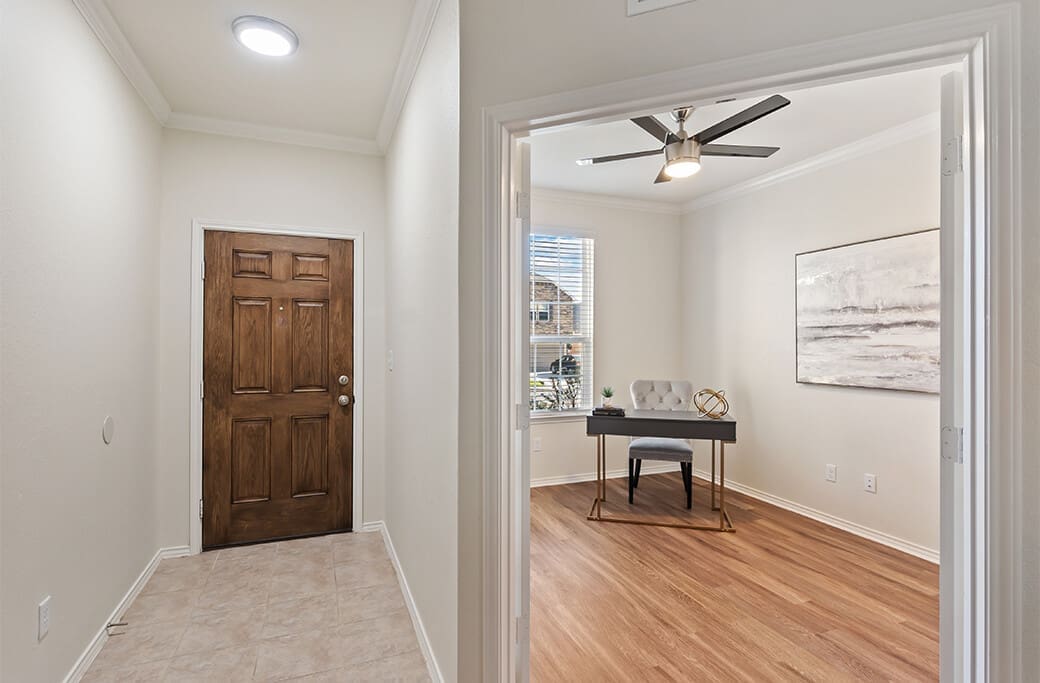
A few years ago, a “home office” might have just been a thrown-together desk in a corner of the guest bedroom. Not anymore. With hybrid work models becoming the norm, buyers are demanding dedicated, functional workspaces.
We’re not just talking about a quiet corner anymore. Buyers are looking for:
-
- Privacy and Sound Control: Solid core doors in low-traffic areas (like the kitchen) are a must-have for focused work and video calls.
- Natural Light: No one wants to work in a dungeon. Windows are a non-negotiable for mental health and productivity.
- Dual-Office Layouts: For many households, two people are working from home simultaneously. Floor plans that offer two separate workspaces, or a large divisible office are in high demand.
This is no longer a luxury trend. It’s a practical necessity. A good home office protects the work-life balance by creating a physical boundary between work and family time.
Play Areas That Fit in the Background
Parents want their kids to have space to play, but they also want to be able to reclaim their living rooms. The open-concept trend of the 2010s often resulted in toys spilling out into every visible corner of the first floor. Nowadays, we are seeing a swing towards “sightline” play areas that keep the toys out of the main living space.
Buyers are on the hunt for layouts where play spaces are distinct but easily visible. That might look like a loft up at the top of the stairs, a finished basement, or a little bonus room off the kitchen. There’s some psychology at play here. Parents want to be able to keep an eye on the kids while cooking in the kitchen, but they also don’t want to have to stare at a mountain of blocks and cars all day. They want a “kids’ zone” without sacrificing the whole adult aesthetic of the main living areas.
Storage Is No Longer Optional
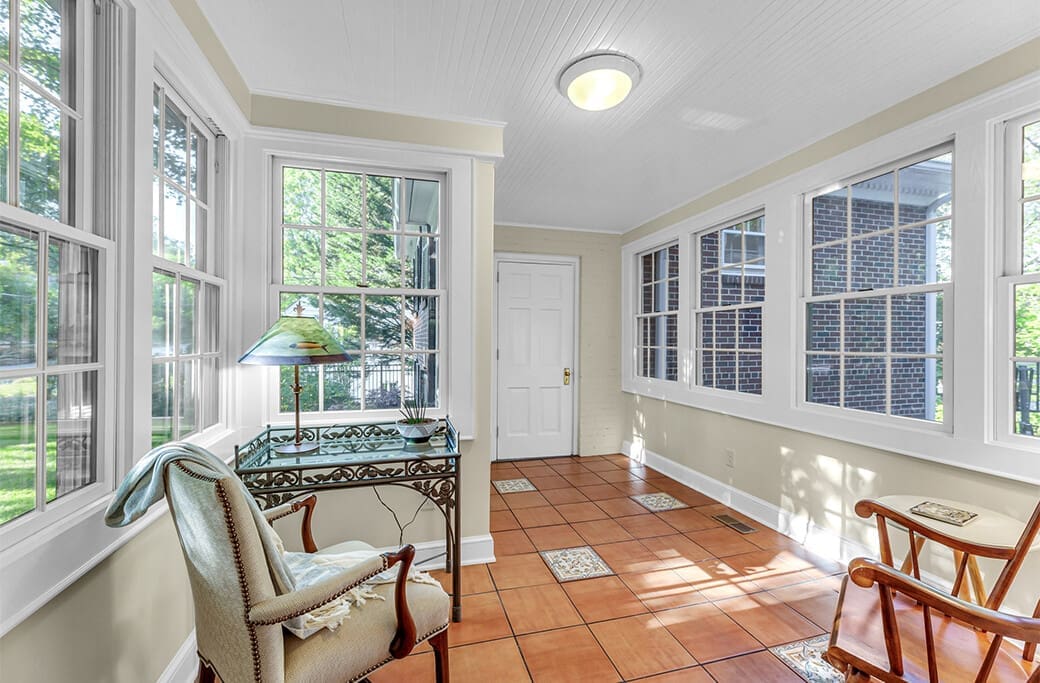
If flexible rooms are the heart of an adaptable home, then storage is its backbone. Clutter is a major stress point for families, and buyers know that their storage needs are only going to get more intense as the family grows.
In 2026, storage is up there as a top deciding factor. We’re seeing a lot of demand for:
-
- Walk-in Pantries: As families cook at home more and more, they need more room for food and appliances to live.
- Drop Zones and Mudrooms: That weird space between the garage and the house (where backpacks, coats, shoes, and sports gear all pile up) needs to be a hub of organization.
- Linen Closets: It’s a simple thing, but a home that doesn’t have a linen closet on every level is often a deal-breaker
- Garage Systems: Garages are being seen as just another room in the house, requiring all the storage and shelving a homeowner would want.
Buyers see storage as a way to buy some peace in their lives. It’s not just about shoving things away. It’s about having that feeling of order and calm that comes with a well-organized home.
Floor Plan Layouts Buyers Are Actively Requesting
So, how do all these individual features all come together in a home? We’re seeing some specific trends in how families want their homes to flow in the Triad market.
Open Concept with Options
The completely open floor plan is still popular, but buyers want some separation options. Think sliding barn doors or partial walls that can section off a living area for some much-needed quiet time.
Main Floor Flexibility
We’re seeing a huge surge in demand for first-floor guest suites or flex spaces with a full bath right next to them. This space is perfect for grandparents moving in, guests visiting, or even a recovery room after surgery.
Bedroom Clustering
Bedroom placement is a big consideration. Families with little ones tend to like “bedroom clustering”, where the master suite is on the same level as the secondary bedrooms and close to the action. Families with older teens, on the other hand, tend to prefer split-bedroom plans, where the master suite is a bit more private.
How The Ginther Group Helps Buyers Find the Right Layout

It’s easy to get caught up in fancy countertops and staged furniture, but at The Ginther Group our job is to look past all the cosmetic stuff and understand how a home will function for you three, five, or ten years from now.
We don’t just ask how many bedrooms you need today. We ask how you live, and what your life’s going to be like in three, five or ten years. How do you entertain? Do you have parents who might need to move in? Do you work from home? By understanding your lifestyle, we can spot floor plans that will work for you.
Our knowledge of the Winston-Salem area means we know which layouts hold their value and which trends are just fleeting fancies. We help you find a home that fits your life, not the other way round.
Floor Plans That Grow With Your Family: 2026 Buyer Trends
When you’re house hunting, it’s natural to focus on your current situation. However, the smart thing to do is buy for who you’ll be next. Whether that means a growing family, a career change, or a new hobby, your home should be able to adapt with you.
By prioritizing flexibility, storage and adaptable spaces, you’re not just buying real estate; you’re investing in the quality of your family life.
Ready to find a home that grows with you? As a FastExpert Top Agent, we at The Ginther Group have the expertise to help you make a smart investment for your future. Contact us today to get started.


