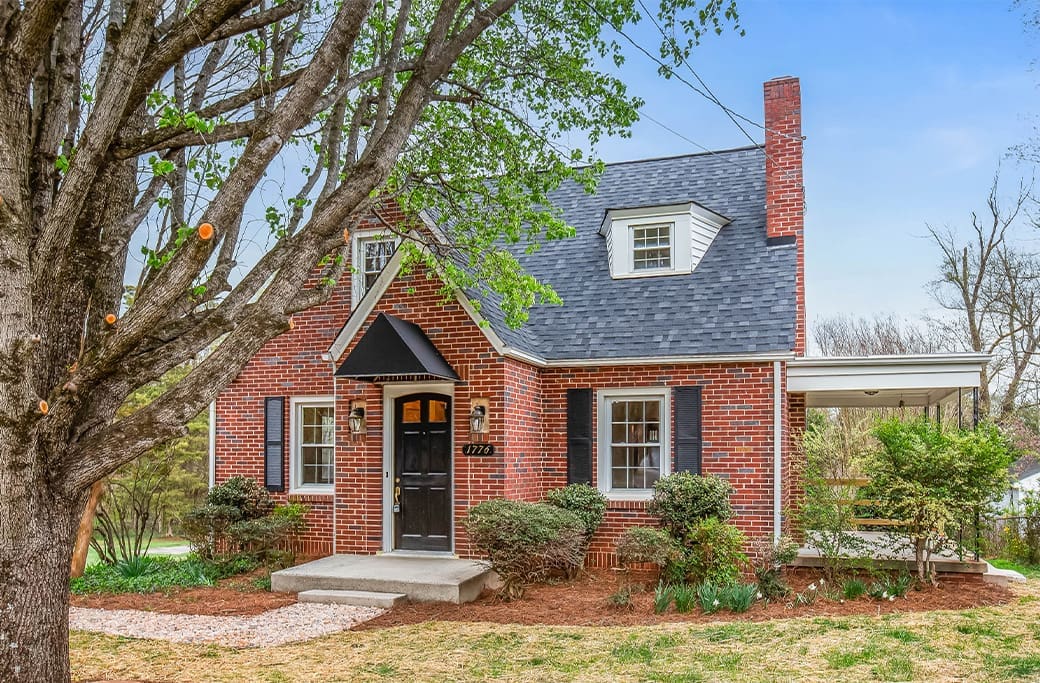
Walking down some of Winston-Salem’s tree-lined streets, you’re not just taking in the houses, you’re also getting a front row seat to a timeline of American prosperity. From the sprawling estates of Buena Vista to the quaint bungalows of Ardmore, Winston-Salem’s architecture tells the story of a city that boomed with innovation, industry, and a considerable amount of growth.
Here at The Ginther Group, we make a point of digging into that history when we help our clients find their dream home. Whether you’re a total history nerd, a prospective buyer, or a long-time resident, getting a sense of Winston-Salem’s residential roots can give you a deeper appreciation for what makes this city such a unique place to live.
Winston-Salem’s Era of Growth and Prosperity
To understand Winston-Salem’s homes, you have to rewind to the early 20th century. This wasn’t just a period of gradual growth; it was a boom. Driven by industries like tobacco manufacturing and textiles, Winston-Salem became the largest and richest city in North Carolina. At one point during this golden era, Winston-Salem was even often referred to as the “town of a hundred millionaires.” With companies like R.J. Reynolds Tobacco Company and Hanes Textile pulling in the big bucks, a lot of wealth was being generated and that wealth trickled down through the local economy in a big way. This wasn’t just about factories, it was about the people who ran them, the managers who kept them running, and the workers who made it all happen.
That economic explosion had a direct impact on the residential landscape. As families got richer, they started looking for ways to show off their success and that meant building homes that would knock people’s socks off. They moved away from the industrial center and started seeking out land and privacy, which led to the development of the beautiful, established neighborhoods we know and love today.
How Economic Success Shaped Residential Architecture
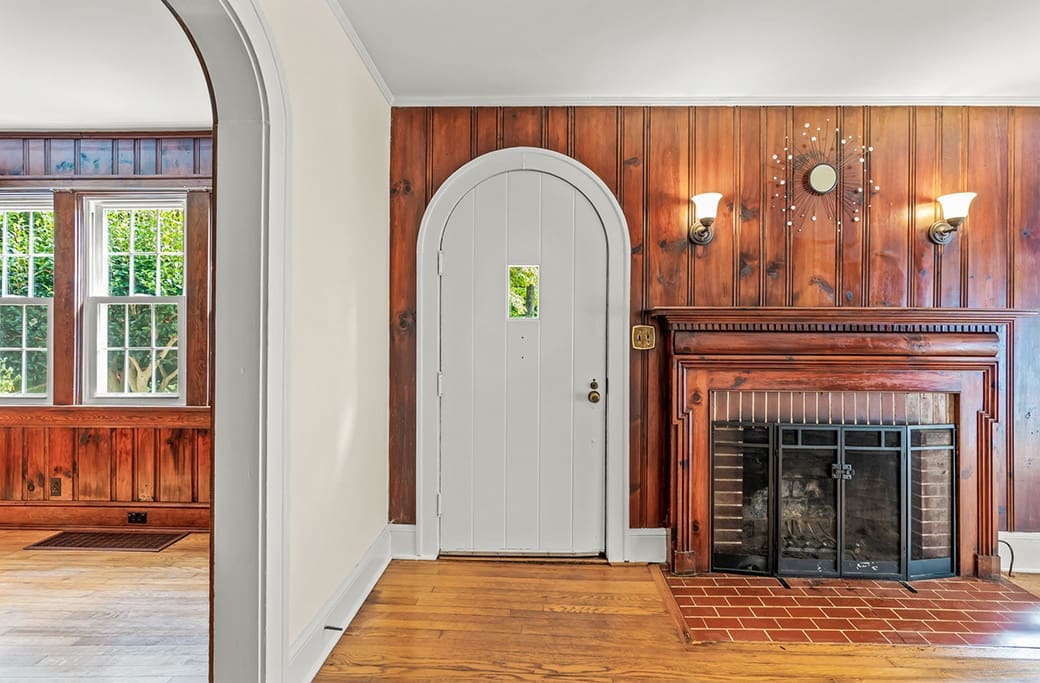
When Winston-Salem’s newly-minted millionaires decided to build, they didn’t cut corners. This era of prosperity led to a surge in high-quality construction and ambitious design that still gets people’s hearts racing today.
Between 1912 and 1940, while the city was solidifying its position as a national industrial powerhouse, prominent families started commissioning top-notch architects to design their dream homes. These weren’t cookie-cutter builds, these were one-of-a kind masterpieces. The architects they hired brought in the latest trends from all over the country, introducing styles like Colonial Revival, Georgian Revival, Tudor Revival, and Classical Revival to the streets of Winston-Salem.
The influence of this period is evident in the details. In these historic homes, you often find:
-
- Imported Materials: Builders were using top-notch materials like brick, stone, and timber and weren’t afraid to import them from all over the state, let alone the country.
- Custom Interiors: Elaborate moldings, grand staircases, and custom millwork were all par for the course. It was a sign of the high level of craftsmanship that went into every single one of these homes.
- Scale and Presence: These homes were designed to be show-stoppers, often with grand facades and loads of square footage that just screamed status and stability.
Today, these homes stand as a testament to the fact that some things are worth investing in. They were built to last, and for modern buyers, they offer a level of character and solidity that’s hard to match with new construction.
Neighborhoods That Tell Winston-Salem’s Story

Just take a drive through some of Winston-Salem’s most iconic neighborhoods and you can see the story of the city’s development unfolding right before your eyes. Each area represents a different chapter in Winston-Salem’s residential history.
Buena Vista
Buena Vista is one of Winston-Salem’s most famous historic neighborhoods, and for good reason. Developed way back in the early 20th century, it’ features all the hallmarks of a city that’s really come up in the world. Winding tree-lined streets and stately homes set back on generous lots are the order of the day here, with Georgian and Colonial Revivals dominating the landscape. It’s a neighborhood that’s always been in high demand – and you can see why.
West Highlands
West Highlands offers a unique blend of elegance and accessibility. It’s the perfect mix of old and new. The neighborhood has a great balance of styles, but what really sets it apart is how it captures the mid-century mindset of the city’s growing upper-middle class. It’s the perfect neighborhood for anyone who wants the charm of the past with the convenience of the present.
Reynolda Park
You can’t talk about Winston-Salem’s history without mentioning the Reynolds family. Reynolda Park is the neighbourhood that really puts that legacy on display. Here, it’s all about the land – the gardens, the landscaping, the peace and quiet. It’s the epitome of the “country estate” feel, right in the heart of the city.
Ardmore and West End
While the millionaires were building their estates, a thriving middle class was building communities that were full of character. The West End, in particular, has everything from Victorian mansions to Craftsman bungalows, all within walking distance of downtown. Then there’s Ardmore, which became famous for its charming cottages and close-knit community spirit, a real draw for anyone who worked at the nearby hospitals and businesses.
Cultural Shifts Reflected in Historic Homes

Take a walk through some of Winston-Salem’s historic homes and you can see the city’s history coming alive in front of you. From the sweeping estates of Buena Vista to the charming bungalows of Ardmore, every neighborhood has its own unique story to tell.
The way Winston-Salem was laid out in its earlier days tells a tale of how people’s lifestyles started to change. In the late 19th century, everything in life was centered around the bustling urban core. But as time rolled on into the 20th century, there was a pretty clear shift away from city living and towards planned out neighborhoods.
You can see this shift in the way homes were built. They started moving further back off the street, rather than being right on the sidewalk like they used to be. Front porches, which used to be the social hub of a house, started to share the spotlight with private backyards and patios. People were getting hungry for some outdoor space, fresh air, and a bit of peace and quiet.
Inside the homes themselves, you’ll notice big changes too. Homes were being designed for entertaining, with fancy dining rooms and large living areas, and some larger houses even had quarters for the household staff, a pretty common feature in the homes of the wealthy families who made their fortunes in textiles and tobacco. While modern-day homeowners might repurpose these rooms into home offices or guest suites, the original floor plans still tell a story of a particular way of life.
What Historic Influence Means for Today’s Homeowner

So, what does all this history mean to you if you’re looking to buy a home in Winston-Salem today?
First, it means cash value. Historic homes in neighborhoods like Buena Vista and West End have historically held their value very well, and the scarcity of these architectural styles combined with the mature landscaping of the established neighborhoods creates a stable investment.
Second, it’s about finding a balance between reno and preservation. Lots of buyers today love the look of old homes (the high ceilings, the hardwood floors, the fireplaces) but they want modern amenities. The most successful homes in the current market are the ones that keep the historic integrity of the outside and main living areas in tact, but update the kitchens and bathrooms to be more functional.
Lastly, it affects demand. There’s a tangible ‘charm factor’ at play here. In a world of mass-produced construction, the uniqueness of a 1920s Tudor or a 1940s Colonial attracts specific, passionate buyers who are willing to pay a premium for character.
Buying or Selling a Historic or Character-Rich Home

When it comes to historic homes, buying or selling is a whole different ball game than buying a new build.
For Buyers: you’re going to need to look beyond the surface level. Understanding the maintenance requirements of old materials like slate roofs or original windows is key. However, the payoff is owning a piece of craftsmanship that just can’t be replicated today.
For Sellers: highlighting the history of the place is a serious marketing tool. Buyers love a story! If your home has some original features, a known architect, or a connection to the city’s industrial past, those are selling points that set your property apart from the rest.
This is where working with a knowledgeable real estate team becomes not optional, but necessary. You need agents who understand the difference between a “fixer-upper” and a genuine ‘historic gem‘, and who can accurately price character and history.
The Ginther Group’s Local Expertise
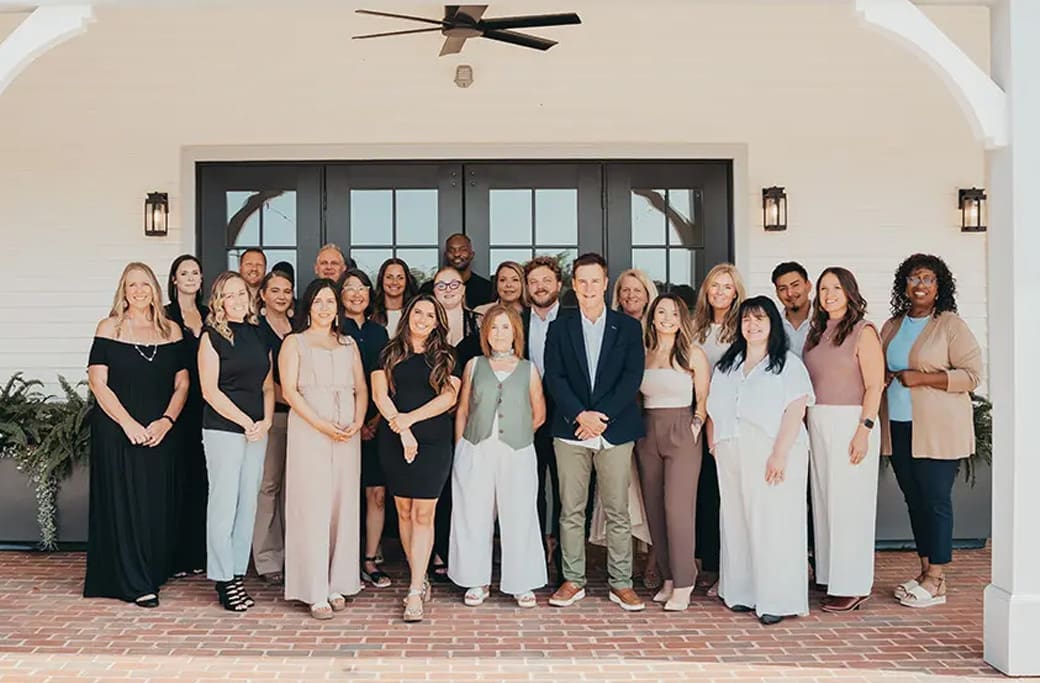
At The Ginther Group we don’t just sell houses. We help you navigate the rich tapestry of Winston-Salem’s neighborhoods. We know how history, architecture, and current market trends all intersect.
Whether you’re after a historic estate near Buena Vista, a bungalow in Ardmore, or a modern build that fits your lifestyle, our team consistently provides highly-personalized service. We have a deep knowledge of these specific neighborhoods, from seasonal buying trends to the best paint colors to sell a historic home fast. We’re your perfect partner in finding the right home for you.
We’re committed to building strong relationships within the Winston-Salem community and making homeownership possible for even more people. We love this city’s past but we’re even more excited about helping you build your future here.
Winston-Salem History & Its Impact on Local Homes
Winston-Salem’s history isn’t some dusty relic stuck in a museum; it is full of genuine life and is built right into the bricks and mortar of our neighborhoods. The legacy of the tobacco and textile boom gave us a city of incredible architectural diversity and beauty.
When you buy a home here you’re not just buying a house, you’re becoming part of that continuing story. Whether you’re drawn to the grandeur of the ‘town of a hundred millionaires’ or the cozy charm of a West End cottage, there’s a place here for you.
Ready to find your own piece of Winston-Salem history? Get in touch with The Ginther Group today to explore homes that fit your lifestyle and your love of local character.